




D&D: World of Warcraft® brings the beloved MMO from desktop to tabletop with a variety of classes, subclasses, feats, and spells for your next character. Part of this unique combination of mechanics means that multiclassing opens up new synergistic World of Warcraft ability combos as you mix and match to experience totally new playstyles.
In this article, we’ll discuss a few multiclass options and how you can explore creative class combinations for your champion of Azeroth.
Note: This article uses World of Warcraft class specs, like class names and specializations, which are explored in this article.
Explore Azeroth Multiclass Builds
What is Multiclassing
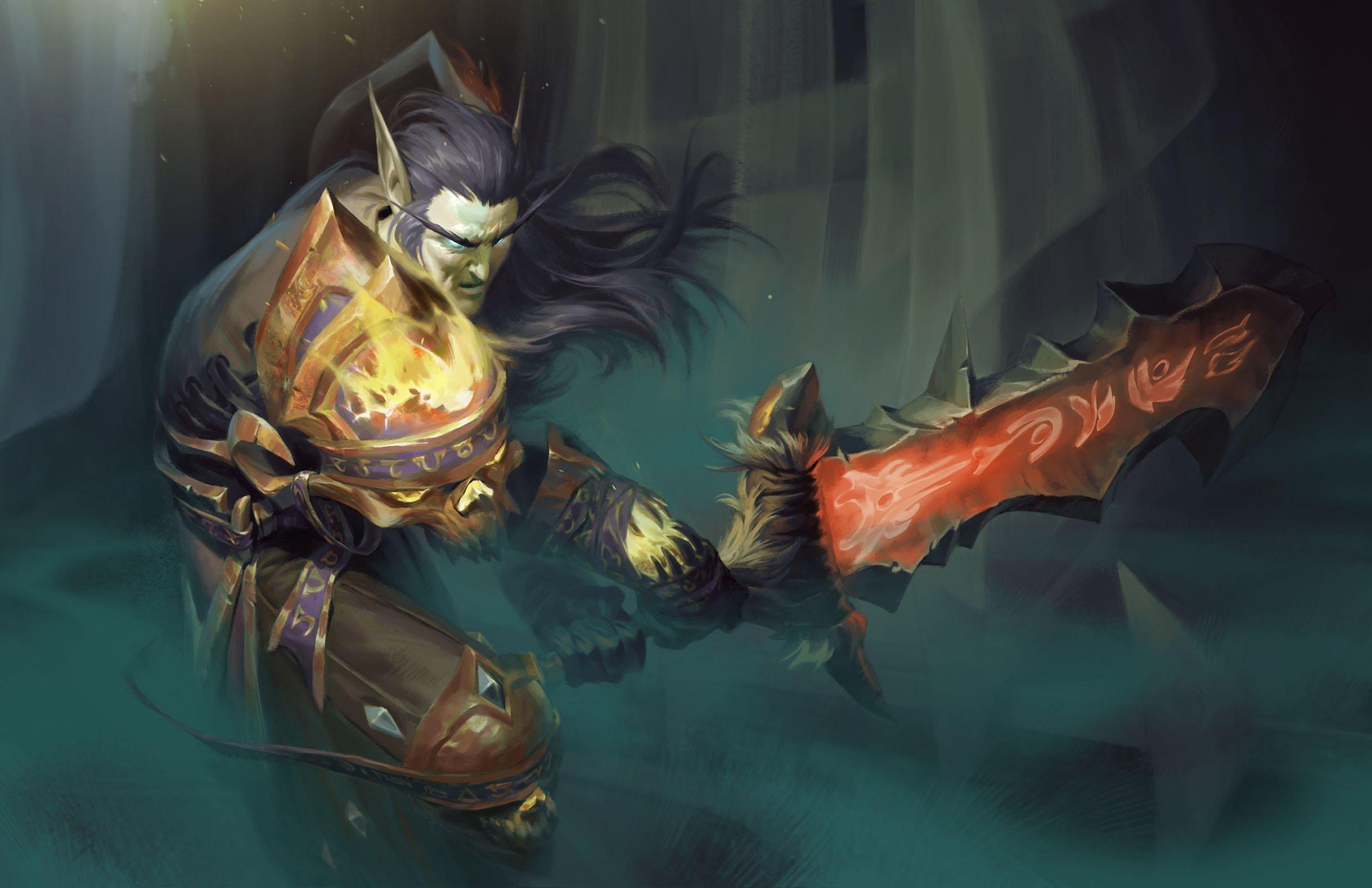
Multiclassing allows you to gain levels in multiple classes. With this rule, you have the option of gaining a level in a new class whenever you advance in level instead of gaining a level in your current class. Doing so lets you mix the abilities of those classes to realize a character concept that might not be reflected in a single class.
If you're interested in the rules behind multiclassing, you can read more in the D&D Beyond Basic Rules.
As always, consult your DM before you multiclass.
Armed Infiltrator
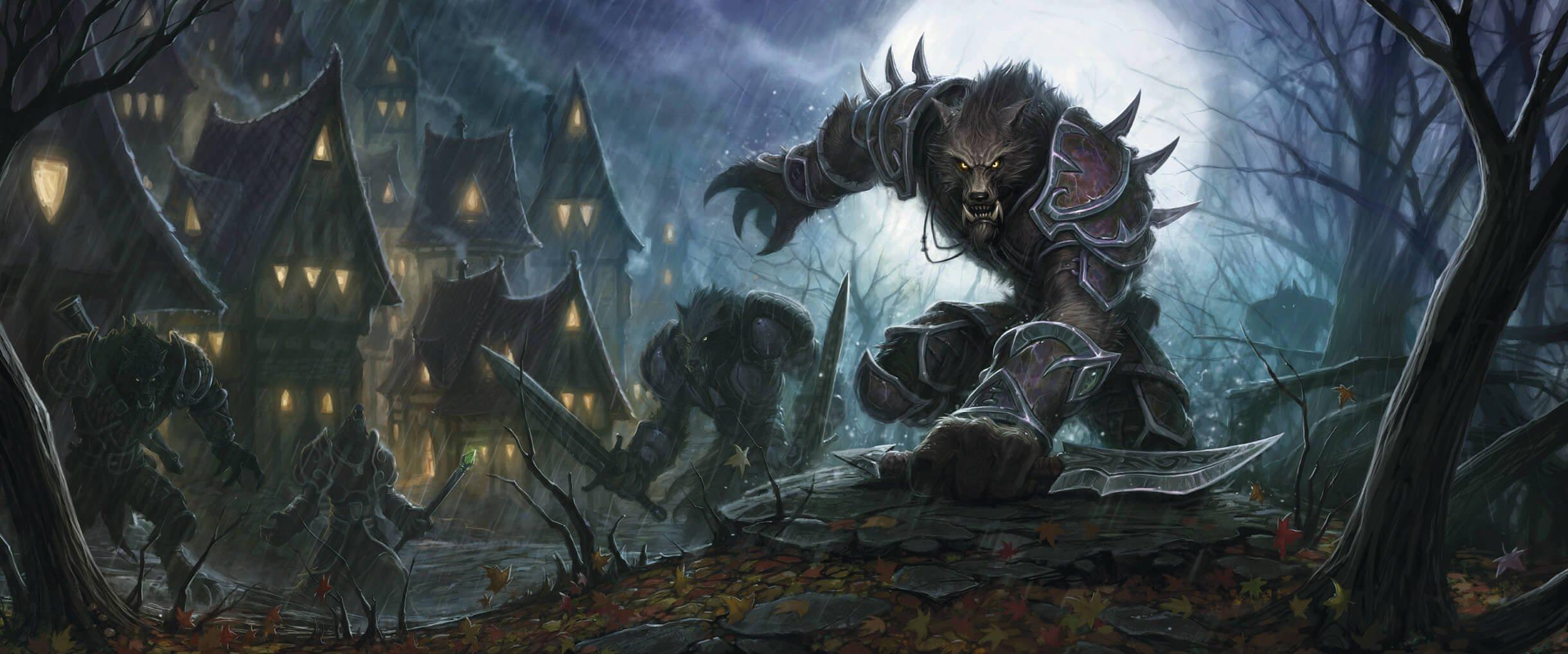
Subtlety Rogue + Arms Warrior
The Subtlety Rogue is a master infiltrator, working to hide from suspicion as they steal secrets, smuggle artifacts, and assassinate their foes. But every once in a while, despite their best efforts, the Rogue gets caught mid-loot. When that happens, a few levels in Warrior may be the difference between survival and mission failure.
The Rogue excels in utility, subterfuge, and landing deadly strikes in combat. The Warrior class brings powerful features like Action Surge and Second Wind into the Rogue’s repertoire. If your cover gets blown, you’ll be comforted knowing—and your enemies will be dismayed to discover—that you’re a formidable martial threat in your own right.
Multiclass Tips
- Start with Rogue. Though you’d gain a little more starting Hit Points and armor proficiency by starting with Warrior, the Rogue’s proficiency in Dexterity and Intelligence saving throws and skill proficiencies are likely more valuable to you.
- Feats. Mage Slayer, Shadow Touched, Skilled or Skill Expert, and Skulker.
- Strengths. This multiclass thrives when it blends the Rogue’s propensity for mobility and stealth with the Warrior’s skill at controlling the battlefield. Combine Battle Master maneuvers with Cunning Strikes on your action, then dart out of sight with Cunning Action as your Bonus action.
Levels
| Total Level | Class & Levels | What You Gain |
|---|---|---|
| 1–7 | Subtlety Rogue (Rogue: Soulknife) levels 1–7 | Activate your Soulknife subclass at level 3, then pick up Cunning Strike at level 5, Expertise at level 6, and Evasion and Reliable Talent at level 7. |
| 8–14 | Arms Warrior (Fighter: Battle Master) levels 1–7 | Grab subclass features and stay long enough to pick up your second Warrior Ability Score Improvement at Warrior level 6 and your fifth Superiority Die at Warrior level 7. |
| 15+ | Subtlety Rogue (Rogue: Soulknife) levels 8+ | More Ability Score Improvements and your next Soulknife subclass feature if your adventure is still ongoing. |
Heightened Threat
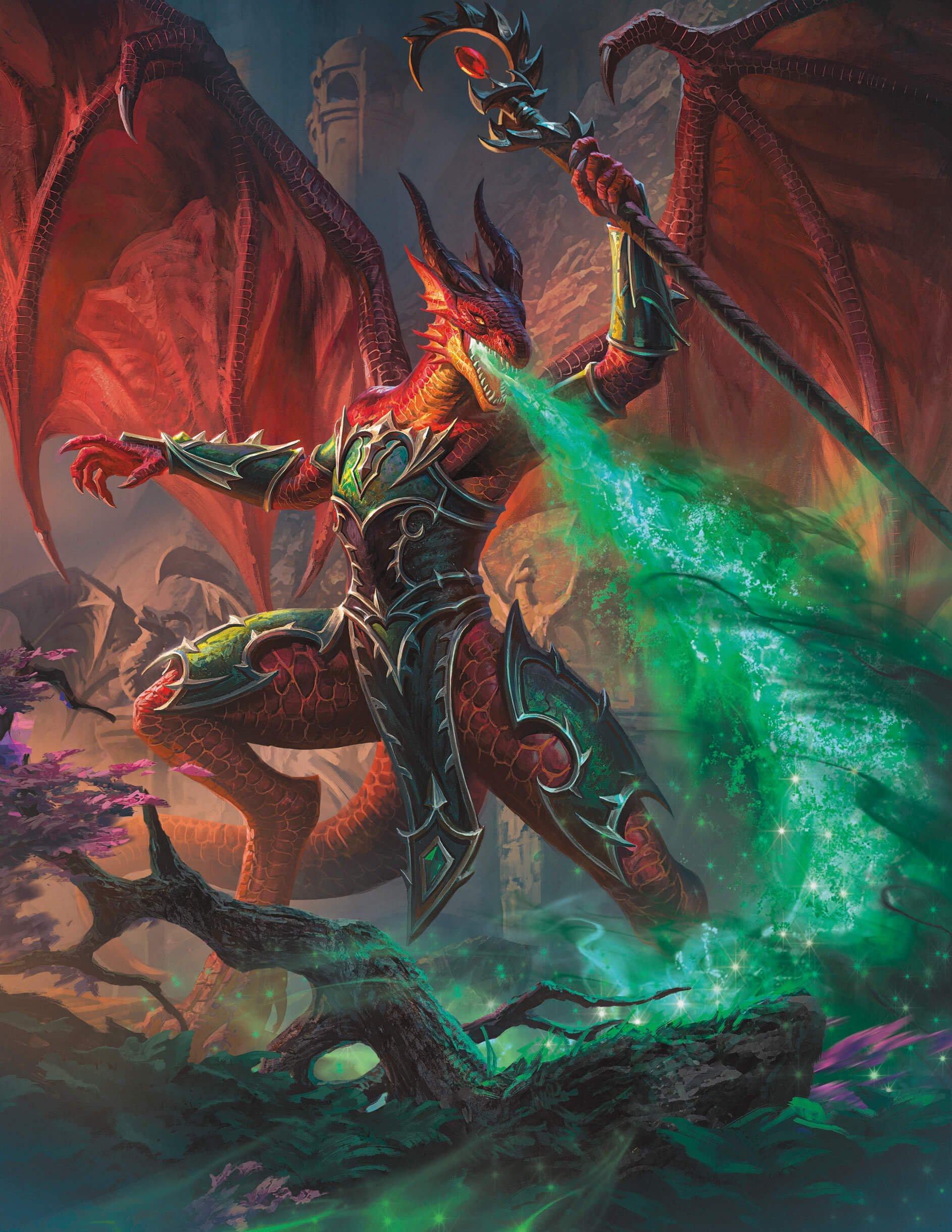
Augmentation Evoker + Retribution Paladin (though any Paladin or Death Knight would do)
Most champions who smite with their right hand cannot also hurl a Fireball with their left. With D&D: World of Warcraft®, your dracthyr Evoker can pick up a sword, make an oath, and channel divine power to vanquish their foes.
The Augmentation Evoker / Retribution Paladin can kick off combat with a Quickened control spell to debilitate a group of enemies or a buff spell to enhance their own power beforehand.
Once they’re maintaining Concentration, they can smite away on future turns like any other Paladin, but with the benefit of being able to Empower their smites and convert existing Sorcery Points into new spell slots—for more smiting, of course.
Multiclass Tips
- Start with Evoker as your first class for proficiency in Constitution saving throws, which will help you maintain Concentration on your critical augmentation spells. Go with Paladin if you prefer proficiency in Wisdom saving throws, more Hit Points early in your adventure, or wearing Heavy armor. This is a pretty close call that comes down to your playstyle.
- Feats. Crusher/Piercer/Slasher (depending on your preferred weapon’s damage type), Mage Slayer, Resilient (Constitution, if you didn’t start with Evoker), Tough, or War Caster.
- Strengths. A Paladin or Death Knight that can magically augment their own martial prowess is in a better position than one that must rely on a squishy Mage juggling multiple priorities. The Evoker/Paladin has higher AC, more Hit Points, and a higher Constitution saving throw bonus than most straight spellcasters, thereby assuring that spells like Protection from Evil and Good, Enlarge/Reduce, and Haste stay active under intense fire. Additionally, a Paladin with a few levels in a full caster class like the Evoker also gains spell slots that they can use to fuel their smites. Finally, the Evoker’s Metamagic hugely broadens the Paladin’s tactical move set, allowing for Empowered and Heightened smites, for Protection Paladins to cast a Quickened Aid or Protection from Evil and Good and then start swinging, or for Retribution Paladins to cast Distant Bane and Twinned Hold Person.
Levels
| Total Level | Class & Levels | What You Gain |
|---|---|---|
| 1–3 | Augmentation Evoker (Sorcerer: Draconic Sorcery) levels 1–3 | Base features like Metamagic and Font of Magic, plus your Sorcerer subclass. |
| 4–6 | Retribution Paladin (Paladin: Oath of Vengeance) levels 1–3 | Your core Paladin kit and smites before circling back to Evoker. |
| 7–8 | Augmentation Evoker (Sorcerer: Draconic Sorcery) levels 4–5 | Level 3 spells that enhance martial prowess, like Haste, Slow, and the new Blistering Scales. |
| 9 | Augmentation Evoker (Sorcerer: Draconic Sorcery) level 6 (optional) | Elemental Affinity—worth taking if you expect to prefer Paladin spells like Searing Smite or Thunderous Smite. |
| 10+ | Augmentation Evoker (Sorcerer: Draconic Sorcery) levels 7+ | Spend every remaining level continuing your Evoker progression if you want access to level 9 spells. |
Hidden Danger

Marksmanship Hunter + Assassination Rogue
Teach an old assassin some new tricks by multiclassing with the Marksmanship Hunter, creating an agent of death that could bring down kingdoms or end nefarious schemes before they start.
The Marksmanship Hunter is a highly skilled archer, experienced at felling massive monsters and gangs of bandits alike. The Assassination Rogue stays unseen, strikes first and with deadly precision, and then disappears into the night. With these powers combined, a hidden Hunter firing off an arrow boosted by the Colossus Slayer feature while applying the Rogue’s Cunning Strikes and Sneak Attack poses an incredibly deadly threat.
Multiclass Tips
- Start with Hunter for the proficiency in Strength and Dexterity saving throws and the extra Hit Points at the start. You do leave one skill proficiency on the table by going this route, so if that’s critical to you, start with Rogue.
- Feats. Crossbow Expert, Piercer, Sharpshooter, Skulker, and Speedy.
- Strengths. The Marksmanship Hunter and Assassination Rogue is an unseen killer, a nightmare to scoundrels, demons, and Voidwalkers alike. With Expertise in Stealth and the Skulker feat, you can remain hidden without much fear of discovery. With the Archery Fighting Style feat and Crossbow Expert or Sharpshooter, you are dastardly at a distance. Combining the Marksmanship Hunter’s features like Hunter’s Lore, Hunter’s Prey, and Defensive Tactics with the Assassination Rogue’s Sneak Attack, Cunning Action, Cunning Strike, and Assassinate create the ultimate hidden threat.
Levels
| Total Level | Class & Levels | What You Gain |
|---|---|---|
| 1–3 | Marksmanship Hunter (Ranger: Hunter) levels 1–3 | The Hunter’s base kit and subclass, saving throw proficiencies, and early Hit Points before you switch over. |
| 4–6 | Assassination Rogue (Rogue: Assassin) levels 1–3 | The Assassinate feature and the Rogue’s base kit/subclass, including Sneak Attack, Expertise, and Cunning Action. |
| 7–8 | Assassination Rogue (Rogue: Assassin) levels 4–5 (optional) | Cunning Strike and Uncanny Dodge. |
| 9–10 | Assassination Rogue (Rogue: Assassin) levels 6–7 (optional) | Evasion and Reliable Talent—and your Sneak Attack damage increases all the while. |
| 11+ | Marksmanship Hunter (Ranger: Hunter) levels 4+ | The next five levels are packed with two Ability Score Improvements, an extra attack, level 2 spells, and the Defensive Tactics feature. |
Perfect Bodyguard
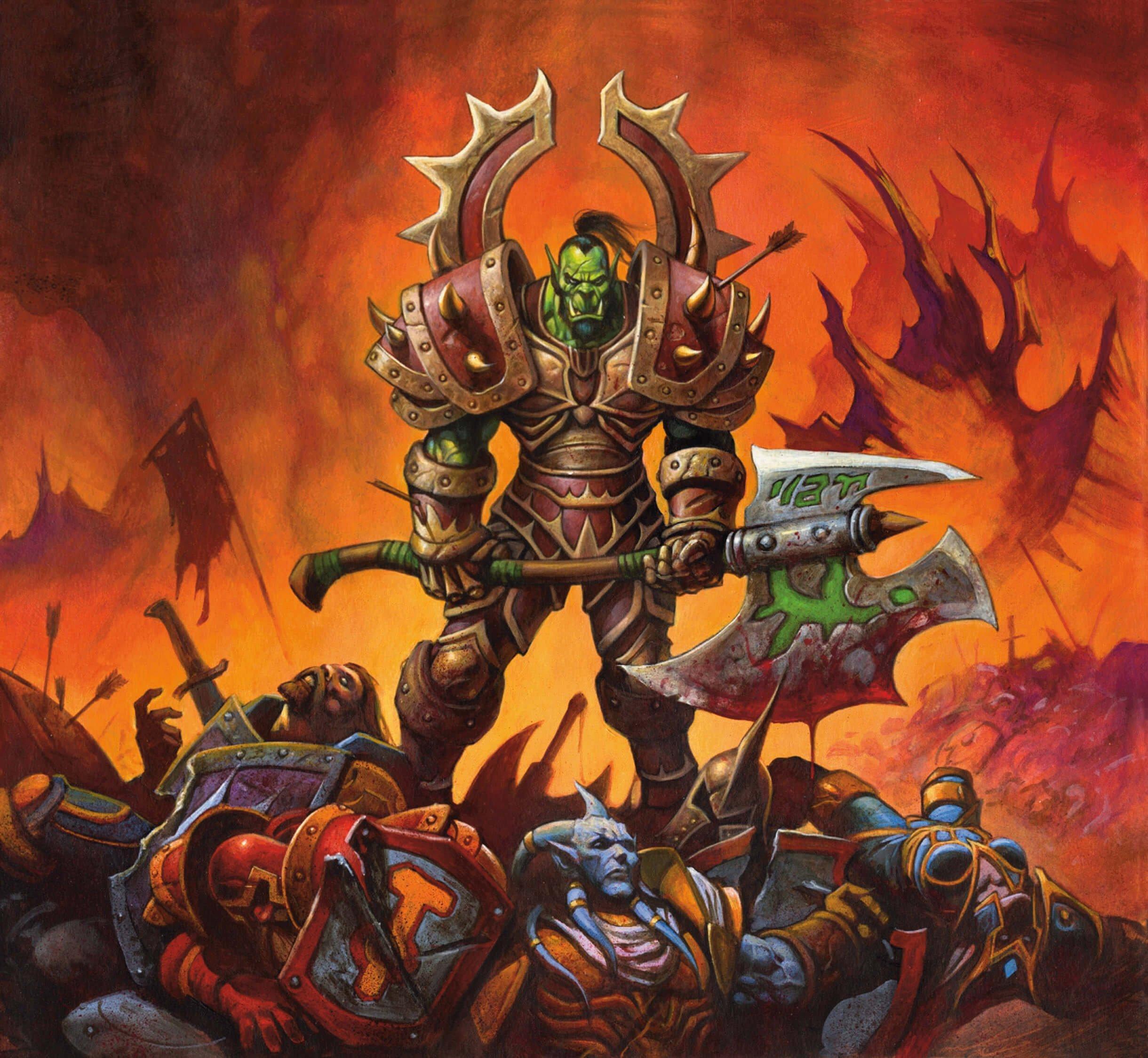
Enhancement Shaman + Protection Warrior
Shamans and Warriors alike must choose whether to prioritize dealing damage to the enemy or taking damage on behalf of allies. If both the Shaman and the Warrior can act as the party bulwark, consider what one champion could do if they learned to master both of these practices.
The Enhancement Shaman coalesces spiritual power into totems that empower nearby party members and harnesses spiritual power to distract, hinder, and harass enemies or protect allies from danger. The Protection Warrior puts themselves between their friends and danger, embracing feats that turn them into an effective tank. A single character who can use Battle Master maneuvers to harry enemies and increase an ally’s AC while Raging and using their Spirit Shield to reduce incoming damage is the ultimate bodyguard.
Multiclass Tips
- Start with Shaman. You gain a touch more Hit Points at lower levels, and by level 3, the Shaman totems and the Spiritual Protectors features will give you plenty of tactical options on your turn and make lower-tier play exciting.
- Feats. Crusher/Piercer/Slasher (depending on your preferred weapon’s damage type), Durable, Inspiring Leader, Sentinel, Shield Master, and Tough.
- Strengths. The Enhancement Shaman brings tons of Hit Points, Advantage on Dexterity saving throws, totems that can emit various buffs and debuffs to nearby creatures, spiritual power that can pull enemy focus or ward allies from harm, and, of course, Rage. The Warrior brings several Battle Master maneuvers, Action Surge, and Second Wind. By adding a dash of Warrior training, your Shaman is now able to better control the battlefield, forcing enemies to face them or fall Prone, become disarmed, have Disadvantage on attacks against other creatures, or grow Frightened.
Levels
| Total Level | Class & Levels | What You Gain |
|---|---|---|
| 1–6 | Enhancement Shaman (Barbarian: Path of the Spiritual Guardian) levels 1–6 | Your Rage and the rest of the Shaman base kit, plus the Spirit Shield feature from Path of the Spiritual Guardian, which reduces incoming damage to allies as a Reaction. |
| 7 | Enhancement Shaman (Barbarian: Path of the Spiritual Guardian) level 7 | Feral Instinct and Instinctive Pounce. |
| 8–9 | Enhancement Shaman (Barbarian: Path of the Spiritual Guardian) levels 8–9 | Brutal Strike. |
| 10–12 | Protection Warrior (Fighter: Battle Master) levels 1–3 | Action Surge, Second Wind, and new maneuvers like Warding Maneuver to increase an ally’s AC against an incoming attack. |
| 13+ | Your choice, either class | If your character climbs past level 12 (9 in Shaman and 3 in Warrior), any levels beyond that should just go to whichever class you find the most fun! |
Wayward Devotee
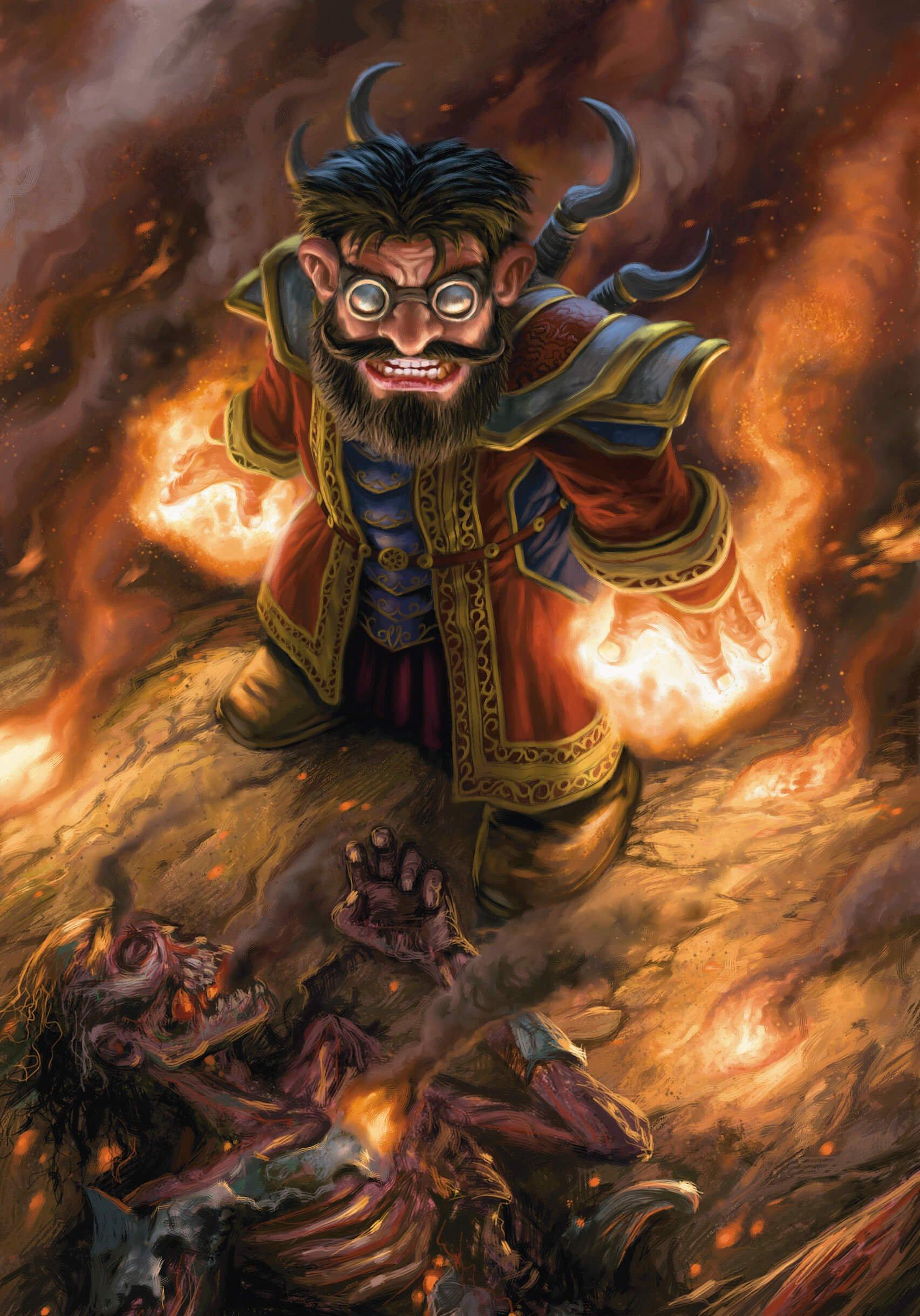
Shadow Priest + Affliction Warlock
Perhaps you’ve grown disillusioned with what the Void has to offer you directly, and you’d prefer to summon Voidwalkers to do your bidding. Alternately, a lifetime of dedication to shadow magic could become augmented by a series of pacts with lesser cosmic horrors. A Shadow Priest and Affliction Warlock multiclass produces a powerful and menacing telepath that can dominate minds, drain the life energy from their opponents, and command legions of aberrations.
This multiclass functions as a sturdier and more versatile summoner and battlefield controller than the Affliction Warlock could manage to be on its own. Heal yourself or your summons more effectively than a pure Warlock could, and increase your survivability with Shadow Priest features like Shadowform, Devouring Plague, and Dispersion.
Multiclass Tips
- Start with whichever class you like. Both classes use a d8 for their Hit Point Dice, both have proficiency in Wisdom and Charisma saving throws, and you can gain Heavy armor proficiency from the Priest's Divine Order feature either way. I suggest taking a look at the respective Warlock and Cleric skill proficiencies and picking whichever class has your favorites; alternatively, if your adventure starts at a lower level, start with Priest so that you can don Heavy armor and wear a shield from level 1.
- Feats. Heavily Armored, Inspiring Leader, Shadow Touched, and Tough.
- Strengths. This multiclass heightens the damage-dealing potential of the Shadow Domain Priest and increases the durability of the Affliction Warlock, creating a champion of Azeroth that is greater than the sum of its parts. Use your action to restore your party with support magic while using your Bonus action to command summoned creatures to attack.
Note that your Priest spells will use Wisdom and your Warlock spells will use Charisma; as you select your spells, if you find yourself drawn to magic for one class that does not incorporate your modifier (such as, say, Bless or Aid for the Priest), then you can afford to deprioritize that ability score accordingly.
Levels
| Total Level | Class & Levels | What You Gain |
|---|---|---|
| 1–3 | Shadow Priest (Cleric: Shadow Domain) levels 1–3 | Staple healing spells, Shadowform (boost lower-level spell damage or Hide while your summons work), and Devouring Plague, which can trigger multiple times in a turn thanks to your many summons. |
| 4–6 | Shadow Priest (Cleric: Shadow Domain) levels 4–6 | Mass Healing Word at level 5 and the Shadow Domain feature Dispersion at level 6, which keeps you alive in dire moments in exchange for a full turn to recharge—your summons can act (or at least pull focus) in the meantime. |
| 7+ | Affliction Warlock (Warlock: Great Old One Patron), remainder | Some of the Warlock’s coolest new Eldritch Invocations, which boost the power and durability of summoned creatures at levels 5 and 9. |
Azeroth Needs (Multiclassed) Champions!
Some multiclass options keep it simple: Add a dash of Rogue or Warrior to an existing class (martial or spellcaster) to heighten a champion’s mobility or durability. Others find appeal in the layered mechanical opportunities, crafting complex multiclass builds that require a sharp tactical mind.
Whether you want to mix dragonflight with fel magic or the teachings of the Death Knight with the stillness of the Monk, D&D: World of Warcraft lets you craft your own legends in the world of Azeroth!

-
View User Profile
-
Send Message
Posted Oct 21, 2026I'd rather have preferred if we got more names and hints about the new species, spells and feats or the monsters beyond dragons (which are great and that article was good), this is a bit of a nothingburger.
-
View User Profile
-
Send Message
Posted Oct 21, 2026The more I read these articles, the more I dislike these Fortnite level crossovers. It's like trying to use playing cards to play chess. The mechanics and reflavoring feels so beyond forced that its disingenuous to WoW and D&D both.
-
View User Profile
-
Send Message
Posted Oct 21, 2026This appears satisfactory, but I require additional details to determine whether it will significantly increase build variety.
-
View User Profile
-
Send Message
Posted Oct 21, 2026Good ideas for builds. Not exactly a teaser about the features or other abilities in the new book. Good read, though.
-
View User Profile
-
Send Message
Posted Oct 21, 2026We wanna know more about the races, not this.
-
View User Profile
-
Send Message
Posted Oct 21, 2026Surely won't allow multiclass in my WoW Campaign