



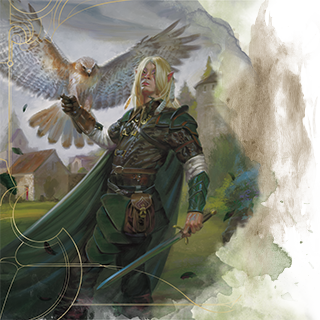
Feat: Basic Spellcrafting
Prerequisite: Can cast at least one spell
The art of creating your own spells is a rare and dangerous practice. With this feat, you can create custom spells on the fly, bending the rules of magic to suit your whims—or your misfortune. This feat allows you to craft a spell with a name and a brief description of its intended effect. However, creating magic is fraught with uncertainty, and you might end up with something unpredictable.
This feat adds Eldritch Blast ,Prestidigitation, Druidcraft, and Thaumaturgy ,simply for game mechanics, to help with potential uses or effects.
Spell Creation Mechanics:
-
Casting Time: 1 Action (varies depending on the spell's complexity, at DM’s discretion).
-
Damage: 1d10 increasing by 1d10 at levels 5,11, and 17 (varies depending on the spell's complexity, at DM’s discretion).
-
Damage Type: Based on effect of the spell (varies depending on the spell's complexity, at DM’s discretion).
-
Range: The range of the spell is determined by the caster's familiarity with the concept (DM's discretion).
-
Duration: The duration of the spell is determined by the caster's description, but can vary (DM's discretion).
When you attempt to cast a spell you’ve created, follow these rules:
-
Roll a D20:
Roll a D20 to determine the result of your homemade spell. -
Natural 1 (Critical Failure):
The spell backfires in a dramatic way. The DM will decide how the spell turns on the caster or others around them, potentially causing damage, debuffs, or unintended effects. -
Natural 20 (Critical Success):
The spell exceeds expectations. You have full control over the spell’s effects, and it works exactly as you imagined. If the spell seems too powerful or game-breaking, the DM has the final say on adjustments, but the caster gets to maintain a significant degree of control. -
Roll of 2-19:
The spell works in a way that loosely matches the caster’s intent, but with a twist. The DM will interpret the spell’s effects based on its name and the caster’s brief description. It may be partially effective, cause unintended consequences, or even work better than expected in some cases.
Spellcrafting Limitations:
-
Level Limitations: You cannot create spells that exceed your highest available spell level.
-
Power Balance: While the feat allows for creativity, the spell's power is constrained by your level and the DM’s discretion to ensure game balance. A player cannot create world-altering effects without the DM’s consent.
-
Creative Description: The more specific and clear your description is, the better the chance the spell works as intended. Vague or overly complex spells may be harder for the DM to interpret.
-
Material Components: The player must provide the necessary material components to cast the spell if applicable, in addition to any verbal or somatic components.
Example Spells:
-
Eat Slugs (Harry Potter-inspired):
The caster targets one creature, forcing them to vomit up a mass of slugs.-
Roll Result 2-19: The target vomits a small number of slugs and suffers disadvantage on their next attack roll.
-
Roll Result 20: The target is covered in a writhing swarm of slugs, taking ongoing poison damage until they spend an action to rid themselves of the pests.
-
Roll Result 1: The caster vomits up slugs themselves, becoming poisoned for 1 minute.
-
-
Bouncing Bomb:
The caster conjures a small explosive that bounces before detonating.-
Roll Result 2-9: The bomb bounces once, and the explosion is smaller than expected, dealing half the normal damage.
-
Roll Result 10-19: The bomb bounces as expected, and the explosion is smaller than expected, dealing normal damage in a 5-foot radius.
-
Roll Result 20: The bomb bounces perfectly, hitting every enemy in a 10-foot radius and dealing full damage.
-
Roll Result 1: The bomb backfires, exploding at the caster’s feet, causing full damage to them.
-
-
Whispering Shadows:
The caster summons shadows that seem to whisper dark secrets to enemies.-
Roll Result 2-19: The shadows confuse one enemy, imposing disadvantage on their next saving throw or attack roll.
-
Roll Result 20: The shadows overwhelm a creature with whispers, causing them to become frightened for 1 minute.
-
Roll Result 1: The shadows instead turn against the caster, causing them to become frightened for 1 minute.
-
DM Guidelines:
-
Encourage players to get creative, but make sure the spells they invent are not disruptive to the game.
-
Keep an eye on power balance—if a player’s spell idea feels too powerful or out of line with the game, be ready to scale it back.
-
The spell should feel fun, but the outcome should always be tied to the spirit of the name and description.
Conclusion:
Basic Spellcrafting opens the door to magical creativity, allowing players to explore new ways to use magic, but with the risk of unpredictability. Whether the spell is a success, failure, or something in between, it’s sure to keep both players and DMs on their toes.
Comments