



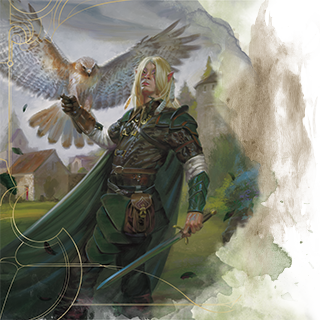
Through ritual, oath, blood, or will, you and another creature willingly intertwine your fates. The pact’s nature is yours to define—devotion, vengeance, protection, secrecy, ambition, or anything else the two of you agree upon. Once sealed, the pact becomes a metaphysical tether that shapes both your strengths and your consequences. Any creature with this feat means they have made a pact with another creature.
When you take this feat, you gain the following feature:
- Bound Oath. You may perform a 10‑minute ritual with one willing creature within 10 feet of you. At the ritual’s end, you and the other creature forge a Pact of the Bound. Each pact must include:
- A Vow — a clearly stated promise, condition, or purpose agreed upon by both parties.
- A Boon — a minor supernatural benefit granted to both creatures while the vow is upheld.
- A Price — a consequence that manifests if either creature knowingly breaks the vow.
The exact form of the vow, boon, and price is determined collaboratively by the DM and the pacting creatures. Boons should be roughly equivalent to a small situational benefit (such as a +1 bonus to a specific type of check when acting in accordance with the vow), while prices should be meaningful but not campaign‑ending (such as disadvantage on certain checks, temporary hit point loss, or a narrative complication).- Shared Fate. While within 60 feet of each other, you and your bound partner each gain a +1 bonus to saving throws against being charmed or frightened.
- Fractured Bond. If the pact is broken, both creatures immediately suffer the agreed‑upon price. A broken pact cannot be re‑formed between the same two creatures until both complete a long rest and willingly attempt the ritual again.
- Multiple Pacts. You may maintain a number of active pacts equal to your proficiency bonus. Each pact must be with a different creature.
Comments