Base Class: Wizard
"Clad in the silver robes that denote her station, an elf closes her eyes to shut out the distractions of the battlefield and begins her quiet chant. Fingers weaving in front of her, she completes her spell and launches a tiny bead of fire toward the enemy ranks, where it erupts into a conflagration that engulfs the soldiers.
Checking and rechecking his work, a human scribes an intricate magic circle in chalk on the bare stone floor, then sprinkles powdered iron along every line and graceful curve. When the circle is complete, he drones a long incantation. A hole opens in space inside the circle, bringing a whiff of brimstone from the otherworldly plane beyond.
Crouching on the floor in a dungeon intersection, a gnome tosses a handful of small bones inscribed with mystic symbols, muttering a few words of power over them. Closing his eyes to see the visions more clearly, he nods slowly, then opens his eyes and points down the passage to his left."
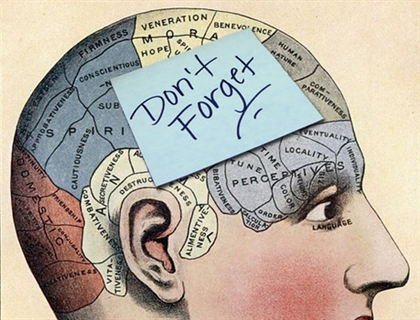
At least that's what most people assume when they hear "mage" or "wizard". But not you. You are different, aren't you? You may not necessarily specialize in any one school of magic, but you'll rarely (if ever) get caught flat-footed leafing through pages of some ponderous tome. Copying spells in a spellbook? Why? They're all in your head already... mostly.
Walking Spellbook
Upon selecting this subclass, your mage is able to recall the spells they have seen before. Whether they read about it in a book, or have seen it demonstrated at least once- they can most likely cast it. Certain spells are extremely common, and are almost second nature to you. Whenever you gain a spellcasting level 1-6 (1st Level spells at 1, 2nd Level spells at 3, 3rd Level spells at 5, etc), you may add 4 + your INT modifier (minimum of 1) spells to your "spellbook" (the one in your head). Level 7 spells and up you may add 2 + your INT modifier (minimum of 1). This is in addition to your starting spells, and the spells you gain from leveling up. However, this comes at a price. Because you don't carry around a book like other mages, you are unable to copy spells from scrolls. But you are able to learn them another way...
Huh, Looks Neat
Upon being the target of spell, or seeing a spell cast within at least within 30 feet of you- you may attempt to decipher which spell it was, and how it was done. If the spell is on the Wizard spell list, and you do not have it added to your collection, you may add it to your memory, and immediately prepare it in place of another spell should you so choose. If the spell is not on the Wizard spell list, you must make an Arcana check to see if you could mimic it. For both using a non Wizard spell, or adding one to your memory the DC = 10 + the Level of the spell being cast (Minimum 11). You may use a spell you learned in this manner that is not on the Wizard spell list until your next long rest, but it must be a spell of which you have the spell level to cast. You may use this feature once per long rest.
Once More With Feeling
Starting at 6th level, you are able to cast spells with which you are intimately familiar much faster than the average mage. When casting a cantrip as an attack action, you may make a second attack with a weapon.
Many Irons in the Fire
Starting at 10th level, when you cast a non-concentration spell of 1st level or higher that targets only one creature, you can have it target a second creature.
I've Seen That Before
Starting at 14th level, you have spent enough time, casting spells (and being on the receiving end of them) to know their weaknesses. You have advantage on saving throws against spells.
Furthermore, you have resistance against the damage of spells cast by magic users. This does not include magic like effects such as a dragon's breath.