



 Base Class: Wizard
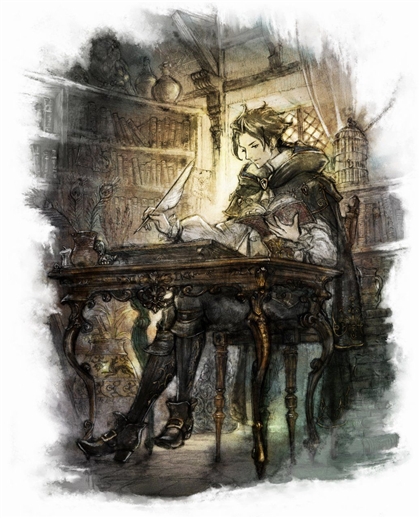
Wild and enigmatic, varied in form and function, the power of magic draws students who seek to master its mysteries. Some aspire to become like the gods, shaping reality itself. Though the casting of a typical spell requires merely the utterance of a few strange words, fleeting gestures, and sometimes a pinch or clump of exotic materials, these surface components barely hint at the expertise attained after years of apprenticeship and countless hours of study.
Scholars live and die by their spells. Everything else is secondary. They learn new spells as they experiment and grow in experience. They can also learn them from other scholar, from ancient tomes or inscriptions, and from ancient creatures (such as the fey) that are steeped in magic.
Elemental Destruction
Beginning when you choose this archetype at 2nd level, you can choose elemental damage types to become an expert in. You gain a feature depending on which one, and can learn spells that deal that damage type more quickly. You can use these special features a number of times equal to 1 + your Intelligence modifier. You regain expended uses after a short rest.
You can pick additional damage types at 6th, 12th, and 17th level.
Acid
Acid is the element of weathering, even the strongest of metal can be worn down with the right substance. Starting when you choose this option, you can add an additional spell to your spell book per level, but only spells that deal acid damage. You also gain access to the following feature;
Vitriolic Decay. When you deal acid damage to creatures, you can force those creatures to make a Dexterity saving throw. On a failure, they take 1d10 acid damage and their equipment is damaged. Until the end of your next turn, non-magical weapons and armor they are wearing begin to waste away. They have disadvantage on attack rolls with those weapons, and their damage armor makes attack rolls against them have advantage. On a success, they take half damage and have only one type of equipment damaged, your choice.
Cold
The element of endurance and abrasion. Cold culls the herd, and wipes out the weak links. Starting when you choose this option, you can add an additional spell to your spell book per level, but only spells that deal cold damage. You also gain access to the following feature;
Creeping Chill. When you deal cold damage to creatures, you can force those creatures to make a Dexterity saving throw. On a failure, they take 1d8 cold damage per level of the spell they were damaged by and their speed is reduced to 0 until the end of your next turn. For cantrips, the cold damage is 1d8. On a success, they take half damage and have their speed halved instead.
Fire
Fire, the burning embers of will and passion. These flames burn away those that would cause pain, and silences those with foul mouths who only spread lies. Starting when you choose this option, you can add an additional spell to your spell book per level, but only spells that deal fire damage. You also gain access to the following feature;
Branding Flames. When you deal fire damage to creatures, you can cause any of those creature to become branded for 1 minute. At the end of a branded creatures turn, they must succeed a Constitution saving throw or take 1d6 fire damage, per level of the spell they were damaged by. For cantrips, the fire damage is 1d6. On a success, the creature takes no damage and is no longer branded. A creature cannot be branded more than once.
Lightning
The element of connection and strength. Following it's companion, the roaring thunder, lightning strikes true, and strong. Starting when you choose this option, you can add an additional spell to your spell book per level, but only spells that deal lightning damage. You also gain access to the following feature;
Electric Wave. When you deal lightning damage to creatures, you can force those creatures to make a Strength saving throw. On a failure, they take 1d12 lightning damage per level of the spell they were damaged by, and are knocked prone. For cantrips, the lightning damage is 1d12. On a success, they take half damage and are not knocked prone.
Necrotic
The element of death. Necrotic damage attacks the very life force that sustains mortal creatures. It's attacks the very soul and rots it away. Starting when you choose this option, you can add an additional spell to your spell book per level, but only spells that deal necrotic damage. You also gain access to the following feature;
Blinding Malice. When you deal necrotic damage to creatures, you can force them to make a Constitution saving throw. On a failure, they take 1d8 necrotic damage per level of the spell were damaged by, and are blinded. For cantrips, the necrotic damage is 1d8. Creatures can remake the saving throw at the end of each of their turns, ending the effect on a success.
Poison
Poison is the element of toxicity. It corrupts the body and soul and breaks down those infected. Starting when you choose this option, you can add an additional spell to your spell book per level, but only spells that deal poison damage. You also gain access to the following feature;
Infectious Venom. When you deal poison damage to creatures, to can force them to make a Constitution saving throw. On a failure, they are poisoned for 1 minute, and while they are poisoned they take 1d4 poison damage per level of the spell they were damage by at the end of each of their turns. For cantrips, the poison damage is 1d4. They can remake the saving throw at the start of each of their turns.
Thunder
Thunder is the element of warning. A booming echo before a strike of it's lightning brother. The deafening roar can strike fear into the hearts of many. Starting when you choose this option, you can add an additional spell to your spell book per level, but only spells that deal thunder damage. You also gain access to the following feature;
Thunderous Roar. When you deal thunder damage to creatures, you can force them to make a Constitution saving throw. Taking 1d6 thunder damage per level of the spell they were damaged by, and are stunned until the end of your next turn. For cantrips, the thunder damage is 1d6. On a success, they take half damage and are not stunned.
Arcane Strike
Starting at 6th level, you can attack with a magical staff that makes enemies more weak to your magical attacks.
You gain an attack action with a translucent staff that appears in your hand when you attack. It deals 1d8 force damage, and uses your Intelligence modifier. Whenever you hit a creature with this attack, you can expend a spell slot to force that creature to make an Intelligence saving throw. On a failure, they have disadvantage on saving throws against spells that you effect them with for a number of rounds equal to the level of the spell slot expended.
Analyisis
Beginning at 10th level, you gain insight into the weaknesses of your foes. As a bonus action, you can target one creature within 60 feet of you that you can see and peer into it's defenses. You learn any resistances, immunities, or vulnerabilities the creature has to the damage types from your Elemental Destruction feature. You can use this feature a number of times equal to your Intelligence modifier.
Elemental Warp
At 14th level, your control over elemental magic has allowed you to warp spells. Whenever you cast a spell that deals a damage type from your Elemental Destruction feature, you can exchange the damage of that spell with another chosen damage type. Additional effects of that spell remain the same.
Also, whenever you cast an Area of Effect spell that deals an elemental damage you have chosen, you can instead change that spell to require a spell attack roll instead of a saving throw, targeting one creature within the spell's normal range. Once you use this feature, you can't use it again until you finish a short rest.
Comments