



 Base Class: Monk
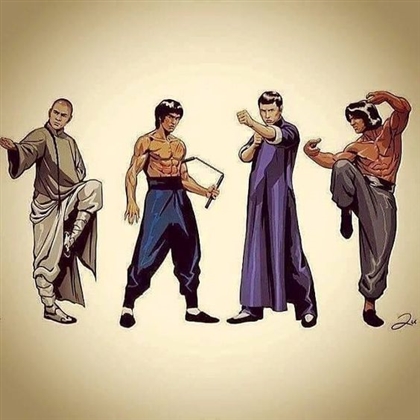
A full rework on the monk class based in several features of the system Anima: Beyond Fantasy. This monk has a different system of martial arts, ki abilities, role in and outside of combat, etc... Check the whole thing even if you dont want a whole monk rework as the key features can work with indepence from the others, so if you are not satisfied with how martial arts are portrayed, the lack of variety on the ki abilities or even in the general power of the monk class check this hombrew.
The Re:Monk Table
| LEVEL | PROFICIENCY | FEATURES |
| BONUS | ||
| 1st | +2 | Martial Arts |
| 2nd | +2 | Ki Control, Ki Ability |
| 3rd | +2 | Seal of Invocation |
| 4th | +2 | Ability Score Improvement, Martial Arts |
| 5th | +3 | Extra Attack |
| 6th | +3 | Ki Ability |
| 7th | +3 | Seal of Invocation |
| 8th | +3 | Ability Score Improvement, Martial Arts |
| 9th | +4 | Limit |
| 10th | +4 | Seal of Invocation, Ki Ability |
| 11th | +4 | Extra Attack (2) |
| 12th | +4 | Ability Score Improvement, Martial Arts |
| 13th | +5 | Seal of Invocation |
| 14th | +5 | Ki Ability |
| 15th | +5 | Seal of Invocation |
| 16th | +5 | Ability Score Improvement, Martial Arts, Ki Ability |
| 17th | +5 | Seal of invocation |
| 18th | +5 | Greater Pact |
| 19th | +5 | Ability Score Improvement |
| 20th | +5 | Ki Ability |
As a monk, you gain the following class features.
Hit Points
Hit Dice: 1d8 per monk level
Hit Points at 1st Level: 8 + your Constitution modifier
Hit Points at Higher Levels: 1d8 (or 5) + your Constitution modifier per monk level after 1st
Proficiencies
Armor: None
Weapons: None
Tools: Choose one type of artisan’s tools or one musical instrument
Saving Throws: Strength, Dexterity
Skills: Choose two from Acrobatics, Athletics, History, Insight, Religion, and Stealth
Equipment
You start with the following equipment, in addition to the equipment granted by your background:
- (a) a weapon from your martial arts.
- (a) a dungeoneer’s pack or (b) an explorer’s pack
- 10 darts
IMPORTANT.
This version of the monk is a class without subclass due to the huge pool of features that a player can choose to create a unique monk. From level 1 to level 20 players should choose from a pool of 16 martial arts, 18 ki abilities, 16 seals of invocation, 7 limits and 4 greater pacts. This degree of customization allows a player to build a monk tailored to his/her needs, meaning one can create a heavy hitter, a support monk, a crowd control character, etc... gaining the bonus and features that usually one would gain from class and subclass progression.
- Martial arts: Are a different approach from the regular 1d4 to 1d10 progression, which offers different fighting styles based on real martial arts. A monk could learn Muay thai and focus on really strong hits based on Stregth or learn Aikido and focus on defense and counterattacks. Finally, these martial arts can be combined into a new and own style (read further of this picks your interest)
- Ki abilities: Ki abilities are a different take on what a monk should be able to do with his ki, so instead of being a fast stunning machinegun a monk can learn really different ki techniques that change your role, like learning ki sensing to act as a powerful scout, flying to become a high mobility character or even shadow cloning to create decoys. This offers a few choices that can change your party dynamics.
- Seals of invocation: A different spin on summoning that uses ki instead of spell slots. A monk can learn different seals of invocation that will allow him to get aid from planar beings in different situations. Is it balanced? Yes, because the amount of creatures you can summon is limited by 1 per turn and pacts ensure that a players wont summon creatures much stronger than the party.
- Greater pacts: Greater pacts are the level 9 spell slots of monks, they have really hard restrictions and have huge costs but also provide huge benefits to those who can pull them in battle.
- Limits: Limits are the only ki recovery tool that a monk has in battle as after level 9 the party should encounter more quantity of foes and many of those should be much more powerful so burning ki through ki abilities and summons should be really easy. Thats why instead of tormenting the party with short rests every now and then a monk can recover ki during battle post level 9.
Now any of these features work well independent of each other, so if you only need the martial arts to hombrew your monk you are good to go (just ignore the requisites of ki abilities), same with the rest of features, although i would recomend that if you want to use the official ki progression, just divide the ki values of these features by 6 and they will work great. Finally, you should have notice that this monk seems overtune, but fear not the monk is now a class that requires team effort as you cant go and solo a boss or ignore nasty spells so it doesnt matter how you build your monk, you still need your party.
Martial Arts
A character is able to dominate different martial arts and pick advantages from each art. A monk can accumulate the different special effects that each martial art grants and combine their effects like making an additional attack with Taekwondo and being able to counterattack with aikido. Monks must also choose their damage among their known martial arts. Finally, the different martial arts grant unique bonus that can be accumulated with other martial arts bonus up to +5 as a character is not using each martial art at a time, it is combining the known martial arts into a new style.
Martial arts is a class feature that is unlocked at level 1 and allows a character to choose one of the 16 martial arts at levels 1, 4, 8, 12 and 16. All martial arts have 5 key features:
- Advantage: These are special effects granted by a martial art that can be combined with other advantages from other martial arts. Their only limit is that they only work with unarmored attacks.
- Requirements: To learn a martial arts one must fulfill the requirements that each martial art has.
- Damage: Martial arts have different types of damage, damage dice, attack and damage attribute. A character must choose what martial art is using for the damage before declaring an attack.
- Bonus: Learning a martial art might give different bonus to iniciative, attack rolls, armor class and dexterity saves. These bonus can be accumulated up to +5
- Weapons known: Different martial arts also teach how to use weapons associated to these arts (Flavour is essencial for the weapons, if it says dagger it might refer to a sai, a dirk or a stilleto)
Aikido
Aikido: Aikido es a martial art that allows defending oneself using the strength of the foe against themselves. Their practicioners grapple and break easily the limbs of their enemies with almost no movement. According to their philosofy, its the demise of their opponents its their own violence.
- Advantage: When an hostile creature fails an attack against the character, it can use an opportunity attack with a bonus equal to half the degree of failure, using the strength of the opponent as the attack and damage attribute. During this counterattack an aikido practicioner can make a grapple attack instead imposing disadvantage on the enemie`s contested check.
- Requirement: Sleight of hand is +4.
- Damage: Aikido is a dexterity based martial art, it deals 1d4 + Dex of bludgeon damage.
- Bonus: Aikido grants a +2 bonus to AC.
- Weapons: Dagger, Quarterstaff, Mace and Longsword.
Asakusen
Asakusen: Although the word Asakusen is used currently as a synonym of martial art, in reality is one of the first a most complex martial arts of the world, forbidden years ago due to its lethality. With time it ended creating the diffent schools of Kung Fu, which are just a shadow of the true Asakusen.
- Advantage: Asakusen allows their users to apply the variable bonus of +2 from Kung Fu to iniciative, attack, damage, dexterity save and AC at the same time. And even so the character can apply another +2 to one of them the same way Kung Fu does.
- Requirement: Kung Fu and monk (5)
- Damage: Asakusen is a martial art based on Kung fu and thus it uses the damage of Kung Fu.
- Bonus: Variable.
- Weapons: None.
Capoeira
Capoeira: Capoeira is a combat system of chaotic appearance that uses wide acrobatic leg movements, similar to a dance.
- Advantage: The movements of capoeira can cover a big area due to the dancing movements. An user of capoeira can attack two adjacent enemies or increase the reach of the attack by 5 feet.
- Requirement: Performance +4.
- Damage: Capoeira is a dexterity based martial art, it deals 1d6 + Dex of bludgeon damage.
- Bonus: Capoeira grants a +2 bonus to dexterity saves.
- Weapons: Scimitar, Whip and Shortsword.
Dumah
Dumah: Dumah is also known as the art of the wind, a martial art whose name comes from teaching their practicioners to use their hands and legs as blades. Its an hereditary martial art, secret to those who dont belong to the clan.
- Advantage: A character that uses Dumah can add a +2 bonus to damage rolls and can choose to deal slashing or piercing damage.
- Requirement: Kempo or Capoeria and energy extrusion (Ki feature)
- Damage: Dumah is a martial art based on capoeria or kempo and thus it uses the damage of either of those martial arts.
- Bonus: Dumah grants a +4 attack rolls with unarmed attacks.
- Weapons: None.
Emp
Emp: Emp is a developed fighting technique that prepares their users to fight armed enemies. With quick and nimble movements in spiral, a master of Emp can render useless an enemy in a few seconds.
- Advantage: This style allows a character to make unarmed attacks to disarm an enemy with a +3 bonus on the contested check. If the enemy fails the check the user can take the weapon in the same action or even destroy it.
- Requirement: Kempo or Taekowndo and monk (5)
- Damage: Emp is a martial art based on kempo or Taekwondo and thus it uses the damage of either of those martial arts.
- Bonus: Emp grants a +4 attack rolls with unarmed attacks and a +2 to iniciative.
- Weapons: Dagger.
Hakyoukuken
Hakyoukuken: Many consider Hakyoukuken the perfect martial art. In fact its originins are not even mortal, which is why its origins are still a mistery. A practioner of Hakyoukuken controls the tension of every muscle in the body and can deal lethal blows with each hit destroying the enemies from the inside. The motto of the style is pretty simple "If there is no enemy, there is no need for defense"
- Advantage: Users of this style add a +4 bonus to damage rolls of the martial art used. The attacks also penetrate through most armors so unless the enemy wears a heavy armors a practicioner of Hakyoukuken can ignore 2 points of AC from the target. The key feature is that it also reduces the threshold for critical hits to 16.
- Requirement: Shotokan or Muay Thai, use of the necessary energy (Ki feature) and monk (5).
- Damage: Hakyoukuken is a martial art based on Shotokan or Muay Thai and thus it uses the damage of either of those martial arts.
- Bonus: Hakyoukuken adds a +4 bonus to iniciative and a +2 bonus to unarmed attack rolls.
- Weapons: None.
Kempo
Kempo: Kempo is a combat discipline that uses combinations of light hits. The style is about attacking the enemy with a fast barrage of hits, hoping to find an oppening in their defense thanks to the accumulation of hits.
- Advantage: The fast combination of attacks allows a master of Kempo to use its bonus action to take another attack action without ability modifiers in the damage roll.
- Requirement: None.
- Damage: Kempo is a dexterity based martial art, it deals 1d6 + Dex of bludgeon damage.
- Bonus: None.
- Weapons: Longsword and Mace.
Kung Fu
Kung fu: Kung fu is one the martial arts developed by the great masters of the East. It is heavily inspired in the movement of animals, mimicking their movements and adapting them for combat. Its an art capable to adapt to each situation due to their versatile techniques and their practicioners being prepared to change their style with ease.
- Advantage: A master of Kung Fu can chose before the start of every round to apply a +2 bonus to attack rolls, AC, dexterity save, damage rolls or iniciative according to his/her needs. These bonus can be accumulated over the limit of +5.
- Requirement: Acrobacy +4, Sleight of hand +4, Performance +2.
- Damage: Kung Fu is a strenght based martial art, it deals 1d6 + Str of bludgeon damage.
- Bonus: Variable.
- Weapons: Shortsword, Longsword, Greatsword, Spear, Halberd and Glaive.
Muat Thai
Muay Thai: The Muay Thai maximizes the explosive strength of those who practice it. When fighting a character uses the hard parts of the body, like the elbows or knees to deliver crushing blows to the weak spots of their opponents like their ribs or the head.
- Advantage: None.
- Requirement: Athletics +4
- Damage: Muay Thai is a strength based martial art, it deals 1d6 + (Str*3) of bludgeon damage.
- Bonus: None.
- Weapons: Longsword.
Selene
Selene: According to the mith, Selene was the first martial art created by mortals. It was practiced only by women and traditionally men are not allowed to learn its secrets. Selene proyects the own force of their opponents to themselves, launching them in the air like ragdolls. Although its a very complex martial art, visually Selene uses almost no movements so those untrained feel like a Selene user doesnt even move to attack or counterattack.
- Advantage: When an hostile creature fails an attack against the character, it can use an opportunity attack with a bonus equal to the degree of failure, using the strength of the opponent as the attack and damage attribute. During this counterattack an aikido practicioner can make a grapple attack instead imposing disadvantage on the enemie`s contested check.
- Requirement: Aikido and monk of level 5.
- Damage: Selene is a dexterity based martial art, it deals 1d4 + Dex of bludgeon damage.
- Bonus: Selene grants a +4 bonus to AC and dexterity saves.
- Weapons: Darts.
Sephon
Sephon: Sephon is probably the perfect defensive martial arts. It is heavily inspire in the flow of wates, because mimicking the flow with freedom a master can avoid most attacks directed to him/her.
- Advantage: When a character declares the dodge action, it increases its AC and dexterity save with a +6 bonus.
- Requirement: Aikido or Kung fu and monk (5)
- Damage: Sephon is a martial art based on Aikido or Kung fu and thus it uses the damage of either of those martial arts.
- Bonus: Sephon grants a +4 to dexterity saves and AC.
- Weapons: Shields.
Seraphite
Seraphite: According to tradition, Seraphite is a style created to hunt demons. Its a martial art that uses reckless movements that risk its user to increase the offensive skill of their practicioners. In present times is a martial art used by some priests and inquisitors.
- Advantage: Those who use Seraphite can roll their attacks with advantage but attacks made against them will also be rolled with advantage until the next turn. Any user of Seraphite can increase their damage rolls with a +2 Bonus per turn in the stance.
- Requirement: Shotokan or kempo, energy extrusion and monk (5)
- Damage: Seraphite is a martial art based on Shotokan or Kempo and thus it uses the damage of either of those martial arts.
- Bonus: Seraphite grants a +4 to attack rolls with unarmed attacks
- Weapons: None.
Shotokan
Shotokan: Shotokan is a martial art that uses stong blows with either fists or kicks. The style is about exploiting the weak points of the opponent`s defense to defeat it in one blow. The martial focus a lot in offensive to deal a lot of damage.
- Advantage: None.
- Requirement: None.
- Damage: Shotokan is a strength based martial art, it deals 1d8 + Str of bludgeon damage.
- Bonus: Shotokan grants a +2 bonus to attack rolls.
- Weapons: Longsword, Spear and Dagger.
Taekwondo
Taekwondo: Taewondo is a martial art that usually combines powerful kicks with punches. This martial art is often used with weapons and combines certain weapons with the explosive kicking techniques of Taekwondo.
- Advantage: If a practicioner of taekwondo uses its attack action with a weapon from the taekwondo list, it can use a bonus action to make one unarmed attack (kick).
- Requirement: None
- Damage: Taekwondo is a strength based martial art, it deals 1d6 + Str of bludgeon damage.
- Bonus: None.
- Weapons: Quarterstaff, Greatsword, Longsword and Shortsword.
Tai Chi
Tai Chi: More than a martial art, the Tai Chi is a philosofy. Using fluid and elegant movements to deliver internal damage to the enemies through their own chi.
- Advantage: None
- Requirement: None.
- Damage: Tai Chi uses is a wisdom based martial art, it deals 1d6 + Wsd of bludgeon damage.
- Bonus: None.
- Weapons: Longsword, Spear and Halberd.
Velez
Velez: To master Velez is a need that their practitioners control their internal energy and know how to channel it. This style focus all the spiritual power in their strikes, allowing their internal energy to manifest and damage the enemy. Without a doubt Velez is one of the most spectacular and rare martial arts of the world and there are only a handfull of masters that know its secrets.
- Advantage: Velez allows to strike with radiant, force or necrotic energy depending on the aligment on the user (Good, Neutral or Evil).
- Requirement: Tai Chi or Kung Fu and energy extrusion.
- Damage: Velez is a martial art based on Tai Chi Kung fu and thus it uses the damage of either of those martial arts.
- Bonus: Velez grants a +4 bonus to dexterity saves and AC.
- Weapons: None.
Ki control
Monks that have reached level 2 gain control over their internal Ki reserves and thus are able to learn and master new ki abilities. Ki abilities are a series of special powers that a monk can develop reaching certain levels. When a character masters one of this abilities it can make special actions that other mortals are unable to perform. The ki abilities can be learnt and trained following if a character met the requirements, which usually are knowing the previous ki ability, including Ki control that is unlocked for free at level 2.
To use these ki abilities a monk usually needs to spend ki points. A monk has a quantity of Ki points equal to the sum of his real attribute scores, in other words a character with 10 in all six attributes will have 60 points of ki even if said character has a band of intellect that bump his Int score. A monk will recover as much ki as his attribute modifiers allow it with a minimun of 1 per attribute per short rest, so the character with 10 in all six attributes will recover 6 ki points per short rest while a character with 20 in all attributes will recover 30 ki points per short rest. For proper balance a monk will restore all of his ki points on a long rest.
A monk will learn a new ki ability at level 2, 6,10, 14, 16 and 20
Aura extension
This ability is an evolved version of the energy extrusion technique allowing a character to imbue any item that is held by the character. The main focus of this skill is to channel ki into the weapon turning any weapon or ammunition into a magical weapon in order to bypass resistances and inmunities and increasing the weapon damage with a +2 bonus (said bonus cannot be applied to unarmed attacks)
- Requirements: Energy extrusion.
Energy extrusion
It allows to focus the internal energy as an invisible aura. With this ability a character can touch ethereal creatures and bypass their resistances as if his/her unarmed attacks were magical.
- Requirements: None.
Flight
This skill is the mastery over the own weight and mass, allowing its user to move freely in the air with the same flying speed as its regular walking speed. This skill requires concentration and a ki point per round to mantain the effects of the ability.
- Requirements: Levitation.
Greater multiplication of bodies
This ability improves Multiplication of Bodies, reducing the cost in Ki points that the user has to invest in the copies’ creation and increasing the number of total copies that he can make. With this ability, the cost is reduced to 2 points of Ki per copy, and the maximum number of copies that he can simultaneously have in existence increases up to a value equivalent to the character’s Wisdom attribute.
- Requirements: Multiplication of bodies.
Healing ki
A monk can heal himself/herself or another living creature within touch. This skill cannot heal a creature to its full health, healing only 2 hit points per ki points used up to 50% of their maximun health.
- Requirements: Ki transmission.
Ki armor
It allows the character to focus its aura as a spiritual armor. In game terms a monk that uses this feature gains a +2 to its armor. To maintain the effect a character needs to hold concentration and spend a point of ki per turn.
- Requirements: Energy extrusion.
Ki concealment
A character can hide the traces of his energy making it invisible to skills like perception, survival or supernatural detections like Ki detection. It creates a cloack of spiritual energy that stealths the character. The same way a character can use Ki detection, Ki concealment enhances the stealth skill to 1d20 + Dexterity bonus + Proficency (If any) + Ki spent. It can also be used to give false information about one strength if others use skills like Ki detection (erudition) or other features that allow to gauge the stregth of a character.
- Requirements: None.
Ki destruction
With this ability a character can proyect its physical energy to destroy something within reach. To use it a character must spend a point of ki which will destroy any medium or smaller mundane item. If it is used against a creature as a part of an attack or by just mere contact it forces a constitution save against (8 + Wisdom bonus+ Proficiency bonus + Ki used) or will recieve force damage equal to the degree of failure. If the damage drops an creature below 0 hit points it disintegrates. The limit of ki a character can use to increase the constitution check is equal to its monk level.
- Requirements: Energy extrusion.
Ki perception
A character is able to detect the energy of the nearby creatures. While using this ability a monk knows that there is a living creature (constructs and undead are not affected) but is unable to determine the shape, size or power of said creature. This detection can pierce through solid objects but cannot go through mystical barriers. This ability is a passive enhancement of the perception skill so the final perception score is 1d20 + Wisdom bonus + Proficency (If any) + Ki spent. Depending on the final roll the range can be:
- A perception roll of 5 can extend only to melee range.
- A perception roll of 10 allows to detect creatures up to 3 feet from the character.
- A perception roll of 15 allows to detect creatures up to 15 feet from the character.
- A perception roll of 20 allows to detect creatures up to 30 feet from the character.
- A perception roll of 25 allows to detect creatures up to 60 feet from the character.
- A perception roll of 30 allows to detect creatures up to 150 feet from the character.
- A perception roll of 35 allows to detect creatures up to 300 feet from the character.
- A perception roll of 40 allows to detect creatures up to 750 feet from the character.
- Requirements: None.
Ki perception (Erudition)
The next level of ki perception allows to those who use the skill to gauge the strength, shape, size and supernatural powers. Using this version costs twice the ki but it allows a character to know if the creature is weaker, equal or stronger in physical terms and if it uses magic, psionics or other supernatural abilities. It also allows a character to pinpoint a concrete person, for example a monk could know if a party member is on the other side of the door without opening the door.
- Requirements: Ki perception.
Ki transmission
This skill allows a character to send or take ki from other creatures wether they are friendly, neutral or hostile. If a creature is willing it can give up to half their ki points which are equal to their CR rounded up or to the player character level. Neutral and hostile creature can block this feature unless they are unconscious, in that case a monk can take all the ki points from a creature causing a level of exhaustion on that creature.
A creature can take as many ki points as their wisdom modifier per turn with a minimun of one. A creature that excedes its maximun ki points will recieve 6d8 of force damage exploding into nothingess if it drops said creature to 0 hitpoints.
- Requirements: None.
Levitation
A monk that unlocks this ability can float in the air and hover freely above 5 feet of the ground. A character that uses this skill gains a flying speed of 1/3 of its actual speed. To mantain oneself in the air a monk must spend a ki point per turn.
- Requirements: Weight control.
Multiplication of bodies
The character is able to create copies of himself, residual images which he gives solidity with his Ki. In spite of not being real, these “shadows” are tangible and interact with the world freely, be it by carrying out manual labor, speaking, or even fighting. They come into being with the same appearance and equipment as the character who created them, but do not possess any of his special or mystical qualities. That is to say, even if the character wields a two-handed sword of quality +2 capable of inflicting Radiant Damage, the weapon with which his copies manifest would lack such attributes. However, the copies retain in a limited way most of the character’s physical abilities, although their effectiveness is considerably lower than that of the original character. The copies dont apply proficiency to any roll nor expertise. The copies are not connected among themselves, but are connected to their creator, who can control them as a passive Action even if they are separated by a great distance.
Using this ability is an standard action that requires a character to spend a full turn doing so. Therefore, if a character wants to activate Multiplication of Bodies, he cannot take any other action in the same round in which he creates them, not even defend himself with reactions. The number of copies that can be manifested is equal to to a third of the Wisdom Attribute of the character, rounding down. Each copy costs 4 Ki points plus 1 additional point every five turns that the copy is maintained.
Noticing that a shadow is not a real person, or differentiating it from its creator through sight alone, is exceptionally difficult and requires passing a Perception check of 40, or of 35 using Investigate. Ki perception allows one to recognize instantly the copies from real beings, although their creator can use Ki Concealment, applying disadvantage to the stealth check.
If used for combat, each copy acts independently, but they can never have an Initiative roll greater than that of their creator nor ever use Ki abilities, magic, or psychic abilities. As an exception to this rule, the copies can use Ki abilities that do not have any cost, like Use of Necessary Energy. A copy does not have resistance to damage and, consequently, disappears immediately if it suffers any attack or wound that makes it lose Life Points (even if it is only 1 point)
- Requirements: None.
Physical dominion
The character can use his energy to alter his physical appearance slightly. The change is only superficial, but is sufficient to give the character a different look. This ability cannot change the actual sex of a character (although it can make the character appear to be a different sex), nor can it increase or diminish his height by more than six inches. Keep in mind that although appearance is altered, the ability does not similarly change the character’s expressiveness or the way he moves, so it would be useful to combine the ability with the skill Performance. In order to perceive an alteration and be aware of the use of Physical Change, it is necessary to pass a Investigation check of 25, or a Perception check of 30. Also the use of this ability can be sensed through a Ki perception check of 20. If the character using Ki perception is able to obtain a result at the level of 30, he is even able to discern the true form that is hidden behind the change. The activation of this ability costs 10 Ki points and an additional point for every minute that it stays activated and requires concentration.
- Requirements: None.
Superior transformation
This ability indicates that the character has an absolute control over his capacity to change, allowing him now to adopt very different forms. He can increase considerably his dimensions (although not above Large size), or diminish his height up to half. Also, he is even able to imitate nonhuman forms that do not have much complexity, including inanimate elements. Using Superior Change increases the cost of activation to 20 Ki points and the maintenance to 2 per minute.
- Requirements: Physical dominion.
Telekinesis
With this skill a character can manifest its own energy and use it as an extension of his/her own body, which can be used to touch and move objects within line of sight in a 120 feet area. The object must be in line of size or inside the area with exact knowledge on where it is. The use of this skill requires a ki point per turn per every 10 pounds of mass.
- Requirements: Levitation.
Use of the necesary energy
A character learns to control his internal energy so much that it greatly reduces the strain of the body. A monk that learns this ability can run or make efforts for hours without getting tired. In game terms the time a character can make intense physical effort is multiplied by 10 without getting levels on exhaustion. It also reduces the physical needs to a tenth so a monk that reaches this level of mastery over his body only needs to sleep 36 minutes (a long rest is still 8 hours), eat 50 grams of food (a grape) and drink 0.1 to 0.2 gallons of water to sustain himself everyday.
- Requirements: None.
Weight control
Controlling its own energy a character can alter its own weight and ignore parcially the laws of gravity. Using this ability, the character simulates for a time the partial loss of weight, allowing said character to do actions virtually possible for a regular human, like running up walls, above water or falling slowly to the ground. For a full round a character can move up to its maximun movement speed like if it had climbing or swimming speed. For example a human that uses this ability could run 60 feet on a river but it will sink after that unless it spends a ki point per round. Its important to mention that its mass and weight are actually the same, so a character cannot be carry by the wind or being launched to the sky with a blow.
- Requirements: None.
Seals of invocation
Not all the abilities of summoning necessarily depend on mystical principles. A character can invoke creatures using his Ki, without the need to develop spells or class features from warlocks, druids or wizards. In order to do so, the character must learn Seals of Invocation and later spend the necessary Ki points to activate them. All of these powers originated in the far East where the planes of Samsara prevented summoning creatures in a conventional way. Therefore, the Kami developed a complex Seal system that allowed the use of the physical and spiritual energy of a character to create ties with supernatural beings and invoke them in the real world. However, the use of the Seals is not limited to the said eastern lands; anyone is able to access their powers, regardless of where they are.
Summoning a creature.
Once a character has finished learning all the necessary Seals to call a creature, he is free to invoke it when he wants. Doing so is a Standard Action, so he must have the ability to act in the turn to do so. If, for whatever reason, a character does not want or is unable to invoke the being at the moment at which he has finished preparing the seals, he may delay doing so, at the cost each turn of 1 Ki point per seal in the invocation. If the invocation is successful, the creature manifests and can act freely starting the following turn. While it is becoming corporal (that is to say, as it arrives), it cannot be damaged in any way.
- Initial blood pact: Even after mastering several Seals of Invocation, a character cannot just summon whatever creatures he wants whenever he wants. He must first sign a Blood Pact with them. This agreement differs from case to case, but it always cover the amount of time a character can summon a creature. Note that when making the initial invocation, the character must know the kind of being that he wants to call and the Seals necessary to attract it. Without that knowledge, he simply cannot carry out the ritual appropriately. Once the creature accepts the Blood Pact, normally the character receives some token to represent this agreement (a tattoo, a small object, etc.). From that moment, he can freely call the creature by using his Seals of Invocation.
- Mantaining summoned creatures: Once a creature is successfully invoked, the time that it remains in the world is determined by the pact and Ki that the character spends to do so during the following turns. In order to maintain the creature’s presence in the world, the character must spend 1 Ki point per turn if its CR is less than 5, or 2 if its CR is 5 or more. This cost is paid automatically each round. Once the character stops paying the maintenance or falls unconscious, the creature dissappears, meaning concentration is not necessary so multiple invocations can be mantained at the same time (Although it cost is huge)
The eight seals of invocation.
Starting at level 3 a character can learn a seal, there is a seal for each element and cardial plane, of which two types of seals exist: Minor and Greater. The Minor Seals represent the basic abilities of invocation, those that a character uses to invoke the less powerful creatures or to complete the Seal combinations of planar entities. Activating a Minor Seal of any element costs 5 Ki points. The Greater Seals are more powerful versions of the Minor ones, allowing a character to summon more powerful entities, so activating a Greater Seal of any element costs 15 Ki points. There are eight types of seal representing the four elements and the four cardinal planes:
- Seal of Fire: Linked to the elemental plane of fire, it can not be combined with the Seal of Water.
- Seal of Air: Linked to the elemental plane of air, it can not be combiined with the Seal of Earth.
- Seal of Water: Linked to the elemental plane of water, it can not be combined with the Seal of Fire.
- Seal of Earth: Linked to the elemental plane of earth, it can not be combined with the Seal of Air.
- Seal of Evil: Linked to the cardinal plane of evil, it can not be combined with the Seal of Good.
- Seal of Order: Linked to the cardinal plane of order, it can not be combined with the Seal of Chaos.
- Seal of Good: Linked to the cardinal plane of good, it can not be combined with the Seal of Evil.
- Seal of Chaos: Linked to the cardinal plane of chaos, it can not be combined with the Seal of Order.
When combining different seal one can summon a creature from the elemental planes or the cardinal planes. For example if a character uses a seal of evil and a seal of order a creature from the Nine Hells can be summoned, if a character uses 2 seals of evil and one seal of order a creature from Gehena can be summoned. Each minor seal used increases the limit of the CR creature by one while a great seal increases said limit by 5. So in the previous example the Nine Hells creature could be a maximun of CR 2 because only 2 minor seals were used. Now understand that even if you can summon this way a CR 20 creature, it doesnt mean it will obey your commands, as there is a inicial pact that must be signed, so stronger creatures might demand a lot more than a character can offer, as always the key for a monk is to find balance. (Will try to expand the creatures from different planes with Hombrew, but feel free to add your own creatures with DM collab)
A character can learn additional seals at level 7, 10, 13, 15 and 17. A greater seal requires to known first the minor seal, so by level 17 a monk should known 3 minor seals and 3 greater seals or any combination, which means that a lvl 17 monk should be able to summon a wide collection of creatures.
Greater pacts.
While the kami are not affected by Summoning Abilities, there are four creatures that, despite their similar nature, reside within the flow of souls like the Aeons. They are the final guardians of the compass points, and their power is unmatched on the eastern lands. At level 18 a monk can make a pact with one of the four cardinal beasts, these entities are really creatures in the lesser deity category and thus they cannot be summoned like a regular creature. Instead a monk can summon the beast to perform a special action
A character who has made a pact with one of the Cardinal Beasts cannot make a pact with any of the others as they refuse to respond to the same invoker.
Byakko,the White Tiger, Guardian of the West
The white light, the Kami of the West, and the strong wind, Byakko is the king of the beasts and only manifests in the world in times of prosperity. He represents power, courage, and harmony. Byakko appears as a white tiger with black stripes and a brutal and ruthless appearance.
Pact: Byakko may only be summoned by a character who has never been defeated. If the invoker loses a conflict, the White Tiger will never again answer his call.
Invocation and powers: To summon Byakko a monk needs to spend ki and pass the summoning roll ( 1d20 + Proficiency bonus + Wisdom bonus), if the monk passes the threshold he will be able to summon on of the four special habilities of Byakko.
- Storm: Black lines of energy looking like the stripes on a tiger cover the invoker and absorb attacks against him. Byakko creates a supernatural ward around the invoker, reducing the damage of any attack against him by 1d10 + Constitution bonus. The damage reduction is increased by one point for each 2 points by which the invoker exceeds the difficulty.
- Summoning and duration: This power requires to reach a 22 on the D20 roll, 30 Ki points and it remains for a number of rounds equal to the amount by which the invoker exceeds the required difficulty.
- Claw of the King of Beasts: Byakko’s mark appears on the hand of the invoker, who makes a melee attack with three immense claws made of light. The caster performs a melee attack using Byakko’s attack bonus +16. The Damage is 4d12 points of magic slashing damage and ignores the defender’s Armor Class by 4 against it. For every point by which the invoker exceeds the required difficulty, he may choose either to increase the attack’s damage by +5 or to reduce the defender’s Armor Class by 1 additional point against it.
- Summoning and duration: This power requires to reach a 28 on the D20 roll, 50 ki points and it remains for a number of rounds equal to the amount by which the invoker exceeds the required difficulty.
- Lord of the West: Byakko appears in the form of a large white tiger and merges with the invoker. The character’s eyes become slitted, like a cat’s, and his hair becomes as white as that of the King of Beasts. Byakko grants control of metal and light to the invoker. For game purposes, he has the ability to cast up to two Innate spells at will each turn using Byakko’s Spellcasting DC which is 24. The available spells are Erupting earth, Wall of Stone, Sunbean and Sunburst.
- Summoning and duration: This power requires to reach a 30 on the D20 roll, 66 ki points and it remains for a number of rounds equal to the amount by which the invoker exceeds the required difficulty.
- Ultimate beast: The invoker’s appearance changes rapidly; his hair becomes pure white and his eyes as amber as a tiger’s. Black spots of tiger’s fur cover his skin. Byakko grants some of his vast powers to the invoker, temporarily giving him almost divine capabilities. During the time that the Ultimate Beast is active, the character gains a +4 to Stregnth and Constitution, can damage any kind of being regardless of special immunities, gets a +10 to his Attack and Damage rolls (or those of any Invocation that he uses), and gets +6 Armor Class against all kinds of attacks. Additionally, he can counterattack with Byakko’s Defense Ability making an opportunity attack everytime the monks is attacked.
- Summoning and duration: This power requires to reach a 40 on the D20 roll, 80 ki points and it remains for 5 rounds.
Genbu, the Black Turtle, Guardian of the North
Genbu is the Black Turtle, the Kami of the North and of life-giving water. He is a tortoise and a snake at the same time, for he is the essence of all dualities and represents wisdom and enlightenment. Genbu appears as a stone turtle covered with cherry trees.
Pact: Genbu will not make a pact with any person who has sinned. An invoker must mend any errors he has committed in his life and redeem himself in whatever way the Black Turtle commands. Even after the pact is sealed, if the invoker commits a sin, Genbu will immediately ignore him and no longer respond to his summons
Invocation and powers: To summon Genbu a monk needs to spend ki and pass the summoning roll ( 1d20 + Proficiency bonus + Wisdom bonus), if the monk passes the threshold he will be able to summon on of the four special habilities of Genbu.
- Clairvoyance: Genbu’s eye is able to foresee future events and grants the invoker knowledge of the events that will happen in his vicinity within the next day. The events are always described cryptically and are only possible futures, as they may be changed by beings with high Gnosis or Natura. For every 1 point by which the character exceeded the required difficulty, he can choose to increase the prediction period by one day or obtain more concrete details about what will happen to a specific person or thing within the next hour
- Summoning and duration: This power requires to reach a 22 on the D20 roll, 30 Ki points and it remains for a number of rounds equal to the amount by which the invoker exceeds the required difficulty.
- The ultimate shield: Fragments of Genbu’s shell manifest before the invoker, moving from side to side on their own and stopping all incoming attacks. The caster creates a supernatural shield that protects him against any kind of attack using Genbu’s Defense Ability. The shield has 500 Life Points, and gains 20 more for each point by which the invoker exceeds the required difficulty. The shield is so hard that weapons that strike it bounce off and must take the damage it would cause, if the weapon drops to 0 HP it breaks.
- Summoning and duration: This power requires to reach a 28 on the D20 roll, 50 ki points and it remains for a number of rounds equal to the amount by which the invoker exceeds the required difficulty.
- Lord of the North: Genbu manifests as an enormous half-tortoise, half-snake. He then sinks underground, and his eyes meld with the invoker’s. Genbu grants control of water and tides to the invoker. The character can create water or raise water levels at will. For game purposes, he has the ability to cast up to two Innate spells at will each turn using Genbu’s Spellcasting DC which is 24. The available spells are Tidal wave, Watery Sphere, Control water, or Tsunami.
- Summoning and duration: This power requires to reach a 30 on the D20 roll, 66 ki points and it remains for a number of rounds equal to the amount by which the invoker exceeds the required difficulty.
- Infinite as the ocean: Genbu appears in front of the invoker and merges with his body. Each person looks a little different, but they always have the overall appearance of a creature of divine power. Genbu grants some of his vast powers to the invoker, temporarily giving him almost divine capabilities. During the time Infinite as the ocean remains active, the character gets a +4 to Intelligence and Wisdom, is capable of damage any kind of being regardless of its special immunities, gets a +10 to Save rolls, and increases his Armor Type against all attacks by 5 points. In addition, he can defend using Genbu’s Defense Ability as if using an energy shield with 200 Life Points.
- Summoning and duration: This power requires to reach a 40 on the D20 roll, 80 ki points and it remains for 5 rounds.
Seiryu, the Sky Dragon, Guardian of the East
The blue dragon Seiryu controls the torrential water and lightning that comes with storms. His wrath destroys everything; nothing can stop him. Among the many spirits in the world, Seiryu represents authority and the heavens. Seiryu appears as a huge blue oriental dragon whose serpentine body moves through storm clouds.
Pact: Seiryu only responds to those who possess the proper lineage: an invoker must have the blood of a king or emperor in his veins if he wants to sign a pact with the Sky Dragon.
Invocation and powers: To summon Seiryu a monk needs to spend ki and pass the summoning roll ( 1d20 + Proficiency bonus + Wisdom bonus), if the monk passes the threshold he will be able to summon on of the four special habilities of Seiryu.
- Storm: Seiryu calls upon his powers and creates a torrential storm centered on the invoker with a one mile radius. The storm forms in about a minute and brings heavy rain, thunder, and high winds that can cause flooding, fire, and landslides on a grand scale. Combat wise, besides the random hazards, creatures other than the invoker have disadvantage in attack rolls, move in difficult terrain with any kind of movement speed and have their line of sight reduced to 60 feet.
- Summoning and duration: This power requires to reach a 22 on the D20 roll, 30 Ki points and it remains for a number of rounds equal to the amount by which the invoker exceeds the required difficulty.
- Thunderbolt: Seiryu bursts forth from a mystical wooden seal like lightning across the sky and creates a storm crackling with electricity that fires lightning bolts at the invoker’s command. At the end of each round, Seiryu blast a lighting bolt against a 15 ft area inside a 300 ft radius area. The attack forces a dexterity save check of 24 doing 10d8 on a fail and half of it on success but if this is used inside a natura storm it increases to 10d12. This is considered an indirect attack and takes place independent of the invoker.
- Summoning and duration: This power requires to reach a 28 on the D20 roll, 50 ki points and it remains for a number of rounds equal to the amount by which the invoker exceeds the required difficulty.
- Lord of the East: Seiryu’s eyes merge with those of the invoker, who appears to have the celestial dragon’s eyes for the duration of the Invocation granting control of electricity and storms to the invoker. In game terms, the character gains the ability to cast up to two Innate spells at will each turn using Seiryu’s Spellcasting DC instead of his own which is 24 The available spells are Lightning Bolt, Control Winds, Call lighting (at 5th level)), or Whirlwind.
- Summoning and duration: This power requires to reach a 30 on the D20 roll, 66 ki points and it remains for a number of rounds equal to the amount by which the invoker exceeds the required difficulty.
- Fury of Heavens: The caster is surrounded by an aura of energy that appears to soak into and change him. Each person looks a little different, but they always have the overall appearance of a creature of divine power. Seiryu grants some of his vast powers to the invoker, temporarily giving him almost divine capabilities. During the time that Fury of Heavens is active, the invoker gains a +4 to Dexterity and Wisdom, is capable of damage any kind of being regardless of its special immunities, gets a +10 to his attack rolls (or the Attack Ability of any Invocation he uses in that period), and maximizes damage on all attacks based on electricity. In addition, he can defend with Seiryu’s Defense Ability as if using an energy shield with 200 hit points.
- Summoning and duration: This power requires to reach a 40 on the D20 roll, 80 ki points and it remains for 5 rounds.
Suzaku, the Phoenix, Guardian of the South
Suzaku is the Vermilion Phoenix, the Kami of the South, and the source of the flames that feed the world. Majestic and solemn, he is associated with both good and bad fortune. Some believe him to be the same as Kagutsuchi, although in actuality they are very different beings. Suzaku appears as a huge bird of fire with a colorful tail and a majestic crest.
Pact: Loyalty is central to Suzaku. Only those who have never broken their word and have always remained loyal to their families may sign a pact with him. If the invoker later breaks a promise or lies, the pact will be broken and Suzaku will no longer answer his call.
Invocation and powers: To summon Suzaku a monk needs to spend ki and pass the summoning roll ( 1d20 + Proficiency bonus + Wisdom bonus), if the monk passes the threshold he will be able to summon on of the four special habilities of Suzaku.
- Omen of fortune: A single phoenix feather falls on the shoulder of the invoker and merges with him in a burst of warmth and pleasant light. By changing the laws of chance, Suzaku grants the invoker good fortune, which allows the invoker to reroll dice as if he had the lucky feat, but it regains the spent luck points at the start of the round instead of per long rest.
- Summoning and duration: This power requires to reach a 22 on the D20 roll, 30 Ki points and it remains for a number of rounds equal to the amount by which the invoker exceeds the required difficulty.
- Calamity: A fiery phoenix bursts forth from the invoker and flies through the target, exploding in a supernatural fireball that temporarily consumes his good luck. Suzaku makes a supernatural ranged attack each round against a chosen target with a maximum range of 800 ft. The attack deals 8d6 of radiant damage with a +16 to hit. If the attack damages the target, he must make a Charisma save check of 15 and with a +1 added to the difficulty for each point by which the invoker exceeded the required difficulty of the Invocation. If the check is failed, the target automatically suffers from Bad Luck, which increases his Fumble range by 2 points (Fumble on a 1–3 ) and forces to reroll critical hits.
- Summoning and duration: This power requires to reach a 28 on the D20 roll, 50 ki points and it remains for a number of rounds equal to the amount by which the invoker exceeds the required difficulty.
- Lord of the South: Suzaku appears when invoked in the form of a large red bird that flies about and leaves a trail of hot fragments behind himself. When the invoker uses the above-mentioned spells, they appear to be cast from the bird. Suzaku gives control of fire and flames to the invoker. For game purposes, he has the ability to cast up to two Innate spells each turn using Suzaku’s Spellcasting DC which is 24. The available spells are Fireball, Wall of fire, Flame strike, or Resurection.
- Summoning and duration: This power requires to reach a 30 on the D20 roll, 66 ki points and it remains for a number of rounds equal to the amount by which the invoker exceeds the required difficulty.
- Chosen of the Sun: The invoker’s appearance changes suddenly, as two crimson wings envelop him and he bursts into brightly colored flames. Each person looks a little different, but they always have the overall appearance of a creature of divine power. Suzaku gives some of his vast powers to the invoker, temporarily granting him almost divine capabilities. During the time that Chosen of the Sun is active, the character gains a +4 to Constitution and Charisma, can damage any kind of being regardless of special immunities, may fly with Flight Speed 60, gets a +10 to his Attack Ability (or that of any Invocation he uses in that period), and maximizes damage on all fire based attacks. Additionally, he can heal himself with Suzaku’s healing ability recovering all of his health and clearing all negative effects when he drops to 0 HP, also the character is immune to effects that interact with reaching 0 HP or instakilling features or spells like a Wraiths attack or Power Word KIll.
- Summoning and duration: This power requires to reach a 40 on the D20 roll, 80 ki points and it remains for 5 rounds.
Limits
Limits are special abilities that some individuals have, in certain specific occasions, to awaken their energies and allow them to recover part of the Ki they have lost. It is an innate ability, intrinsically tied to the soul of each person, which operates differently in each case. Only one Limit may be chosen, and once chosen, it cannot be changed later or additional Limits chosen. Only mortal beings with a great fate (Players and important npcs) can choose a Limit.
Argon: Limit of war
The mere act of fighting increases the physical energy of the character, so he recovers a point of Ki per combat round. This Limit only works when an individual is truly in combat; simple training or fighting merely to recover Ki has no effect. This Limit provides a maximum benefit of 80 Ki points per day.
Caelum: Limit of danger
When the character finds himself in a Critical state, the energy of the character awakens, increasing enormously his power reserves. Consequently, when his points of life diminish below a fourth of his total, he recovers 30 points of Ki automatically. Once activated, this ability only takes effect again after a certain period of time, and it cannot again be used until the character has rested, at least, an entire day
Cenobus: Limit of sacrifice
The Damage the character suffers increases the natural power of the character, so the more Life Points he loses, the greater the amount of Ki he recovers. In game terms, each 5 Points of Damage he receives allows him to recover a point of Ki. The maximum number of Ki that a character can recover per day with this Limit is 60. Even if he receives supernatural healing or he has an exceptional vitality, he cannot recover a greater amount of Ki from this Limit.
Crijor: Limit of Blood
Critical wounds produce a strong reaction in the character, transforming the power of the impact into pure energy that he is able to take advantage of. Whenever he suffers a Critical (regardless of the damage or additional effects), the character recovers 10 points of Ki
Custodium: Limit of protection
This Limit is based on the strong desire of the character to protect his loved ones, and he releases his energy at the most critical moments. If someone important to him is seriously wounded or is in serious danger (For Dm consideration), the character gains 30 points of Ki immediately. If that the loved one dies (or at least the character believes that he has died), the number of Ki points increases to 40 points.
Mors: Limit of death
The fighter’s energy feeds off of the act of ending the life of his adversaries, which allows him to recover Ki by killing his enemies. Consequently, a character with this Limit recovers a point of Ki for each opponent he kills in combat. For example, if he finishes off three adversaries with a single attack, he would gain 3 points of Ki automatically. The ability is restricted to a maximum of 10 Ki points per attack, even if the number of victims is greater. That is, if a character in an area attack slays hundreds of people, he only recovers 10 Ki points. It is important to emphasize that the power of those slain does not influence in the slightest the amount of recovered Ki, since it is the act of killing itself that reinforces the energy of the character. However, he does not benefit from killing inferior forms of life, i.e., completely inoffensive creatures like herd animals, insects, etc.
Terminus: The final limit
When the character is truly near death and his life hangs by a thread, the Ki of the character replenishes almost all of its strength. When a character with this Limit has negative hit points, he immediately recovers 30 points of Ki previously lost and stays concious until he recovers HP or dies. The effects of this ability are limited to one use per day.
Comments