




Inside D&D: World of Warcraft®, you’ll find 9 new and reimagined subclasses that you can use to build Azeroth’s next great champion. To discover how all 13 World of Warcraft classes and their specializations translate to 5.5e with existing classes in D&D, check out our previous article.
Will you terrorize the battlefield as a sworn member of the Oath of the Ebon Blade, duck and weave as a Warrior of Mystic Brews, or channel your fury into elemental power with the Path of the Elements? Let’s dig in!
Explore the 9 Subclasses of Azeroth
Oath of the Ebon Blade (Death Knight)
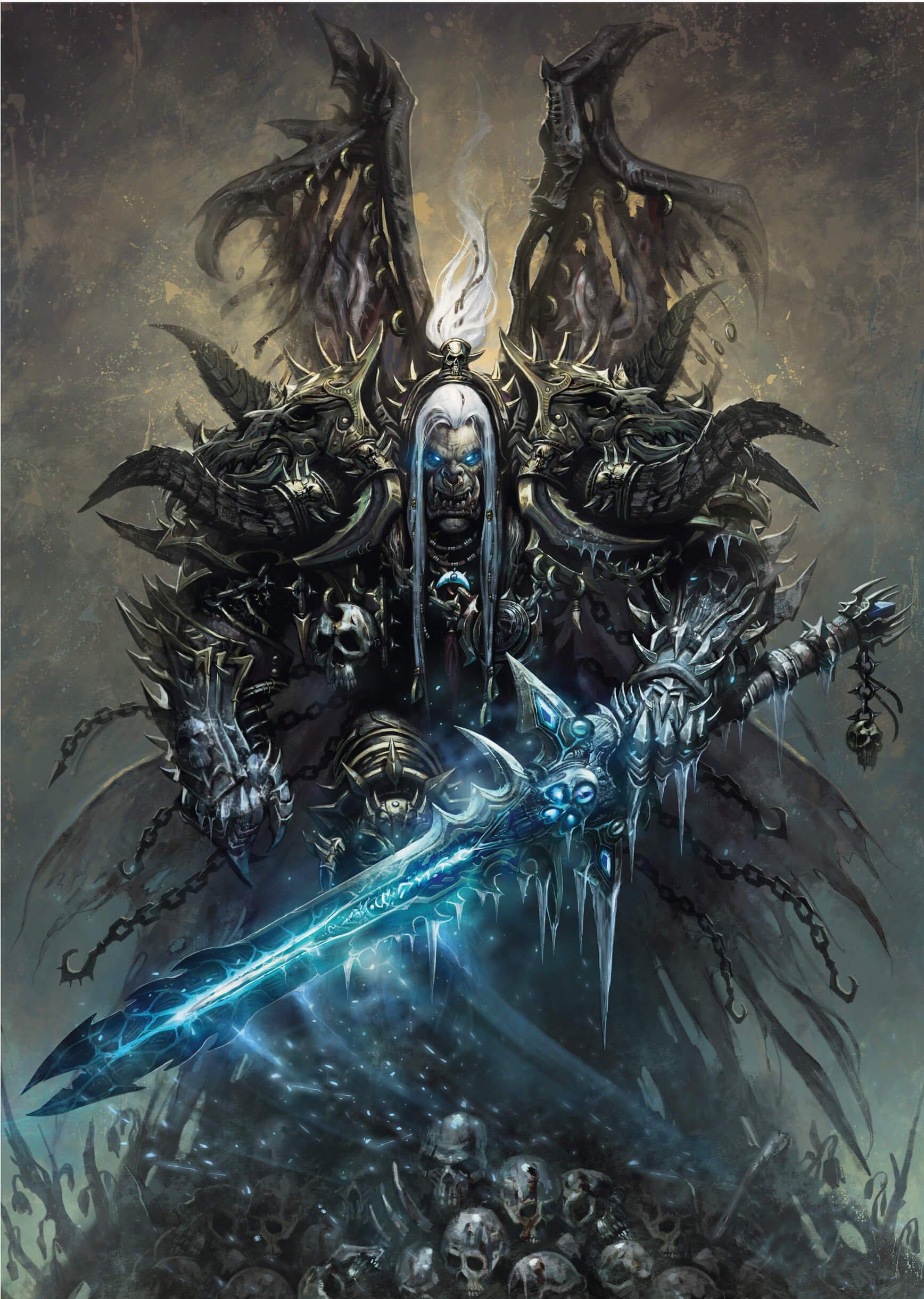
Death Knights were once the most feared members of the Lich King’s army, before they broke their bonds and flew their own banner as the Knights of the Ebon Blade. Now, the Lich King’s army has been defeated and the Scourge contained, and new recruits are flocking to the Ebon Blade’s cause.
The Oath of the Ebon Blade subclass adjusts some features in the core Paladin class from the Player’s Handbook. For example, Death Coil replaces Lay on Hands with a pool of dice that can be used to deal damage to enemies or restore Hit Points to Undead, and Runic Smite replaces Paladin’s Smite by swapping the Divine Smite spell with Rune Strike, which deals Necrotic damage instead of Radiant.
Once they’ve taken their oath, a Death Knight of the Ebon Blade prepares unique spells based on their preferred specialization, though all of them can cast spells that manipulate entropy magic and summon the undead. Their Runeforging feature grants their primary weapon a rune that bestows a unique ability according to the Death Knight’s specialization: Blood, which manipulates life energy; Frost, which calls upon the forces of winter to slow and shatter foes; or Unholy, which curses and debilitates opponents. When they need to make a hit count, Runic Power allows them to expend a use of Channel Divinity to gain an additional benefit after landing a Rune Strike.
When a Death Knight summons their Otherworldly Steed, the summoned creature can be Undead, deal Necrotic damage, and can use a Ghostly Stride ability to move itself and its rider through solid objects for a turn. A locked door can’t protect a Death Knight’s quarry from storming in on an Undead warhorse.
As the Death Knight levels up and slays the foes of Azeroth, they’ll use Runic Mastery to activate a powerful once per day ability from the rune on their primary weapon. At their peak, the Death Knight can use a Bonus action to activate their Aspect of the Horsemen, which allows them to gain the benefits of runes outside their specialization.
Demon Hunter (Demon Hunter)
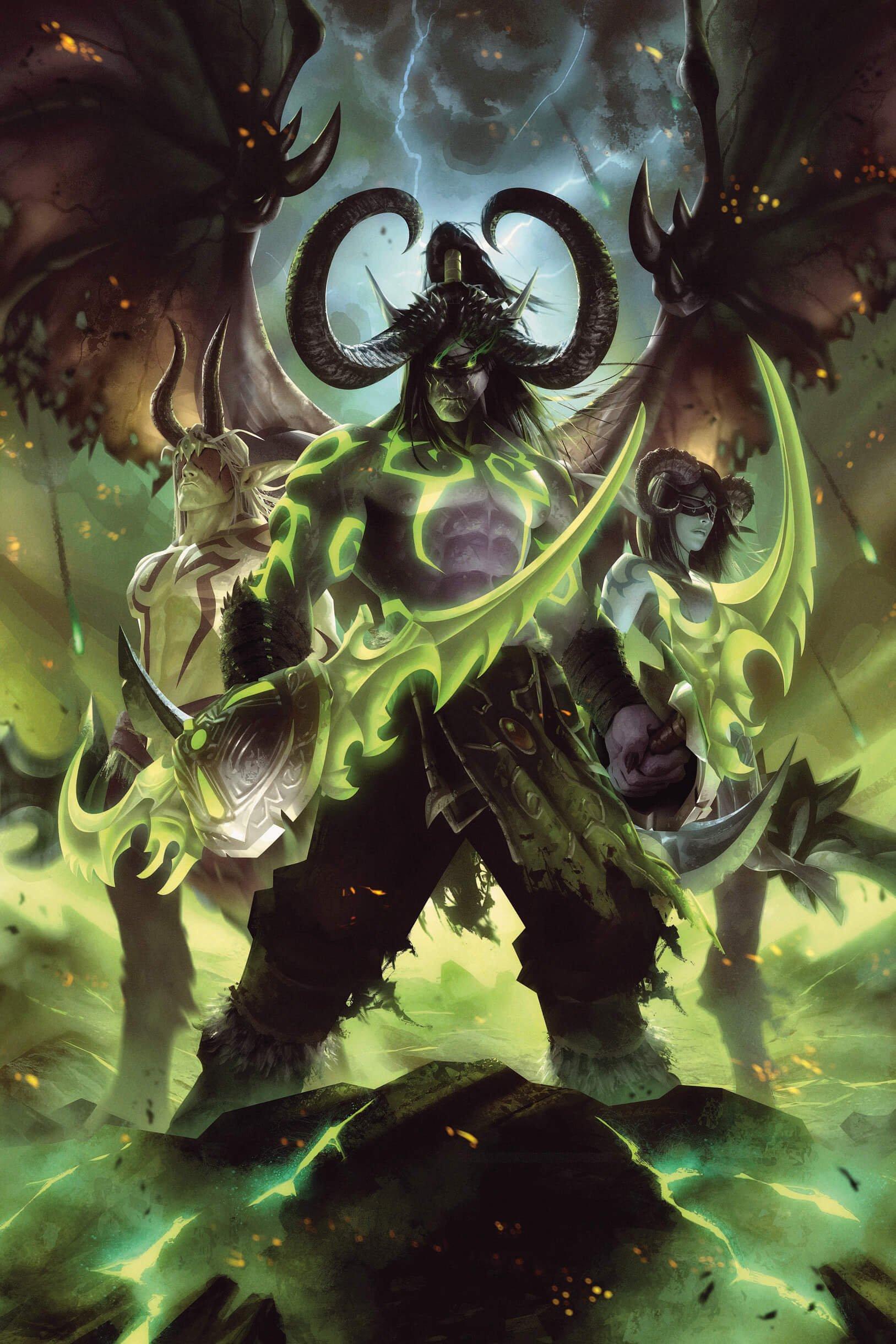
The Demon Hunter embraces the fel magic of the Burning Legion, fighting fire with fire by turning the demons’ magic against them. Their training begins by consuming the essence of a demon and gaining its powers—but with these magical gifts come physical features like fiendish horns and chiropteran wings that many in Azeroth find frightening and shocking. Still, the dark rituals and intense training produce a formidable warrior that strikes dread in the heart of the Burning Legion’s demonic forces.
The Demon Hunter subclass, like the Oath of the Ebon Blade subclass, modifies some of the features in the core class—in this case, Ranger. For example, the Demon Hunter’s Spellcasting Focus is an Arcane Focus (rather than a Druidic Focus) to reflect the nature of the class’ relationship with magic, the Void Warrior option has been added to the Fighting Style feature to allow for Warlock cantrips (rather than Druidic Warrior’s Druid cantrips), and the Ranger’s Feral Senses were replaced with the Demon Hunter’s Improved Spectral Sight to better see through illusions.
Demon Hunters harvest the energy of souls to fuel some of their abilities using the Soul Fragments feature. When a nearby enemy dies, a Demon Hunter can collect that soul fragment. Then, later, the Demon Hunter can cast certain spells with those fragments or use the Soul Cleave trait to emit a whirlwind of soul energy that damages nearby enemies and restores Hit Points. With Spectral Sight, even the initiate Demon Hunter has 10 feet of Blindsight.
Demon Hunters that have slain many Burning Legion hosts and continued to master the arcane arts will gain the Torment feature, which heightens the power of Hunter’s Mark and keeps a marked target’s focus on the hunter. As the Demon Hunter continues its training, they will use Illidari Knowledge to use soul fragments to cast additional spells, including Counterspell and a new ranged attack spell.
As a Demon Hunter hones their skill further, they always start combat with at least one soul fragment and Soul Cleave deals more damage. Once a Demon Hunter reaches the height of their power, no demon or voidwalker or undead pest can escape their Improved Spectral Sight feature and its 30 feet of Truesight.
Warrior of Mystic Brews (Monk)

The Warrior of Mystic Brews enjoys being underestimated and ignored, left to sit quietly in a tavern booth and eavesdrop on nearby informants. Their movements in battle indicate clumsiness, but they are actually paragons of deft and precise combat. These warriors are also talented brewmasters themselves, concocting magical beverages that bestow strange and powerful effects.
As they begin their training, Warriors of Mystic Brews gain proficiency in Performance to reflect their skill in passing themselves off as nonsensical or erratic, as well as proficiency in Brewer’s Supplies to prepare them for a future in magical beverage-making. At this same time, these Monks also learn their signature Drunken Technique, which grants them additional speed when they use Patient Defense and allows them to make an Unarmed Strike as part of the same Bonus action.
As they practice, study, and journey in Azeroth, the Monk will learn how to move in a sudden, swaying manner that tests their foes’ patience. With Tipsy Sway, a Warrior of Mystic Brews can easily return to standing from being knocked Prone and can redirect missed attacks to nearby enemies.
Warriors of Mystic Brews will use the Mystic Brew feature to create potions they can drink that will grant them damage Resistances, a pool of dice that can be used to boost their own healing, or the ability to conjure a Cone of flame. As their skill as a brewer heightens, they can learn new Mystic Brew options, including recipes that bestow luck and improve mobility.
Once they’ve fully honed their craft, this Monk uses Master Brewer to mix two recipes into one drink. Then, they’ll use Intoxicated Frenzy to charge throughout a room and attack everybody within reach, knocking them Prone on a hit.
Oath of the Holy (Paladin)
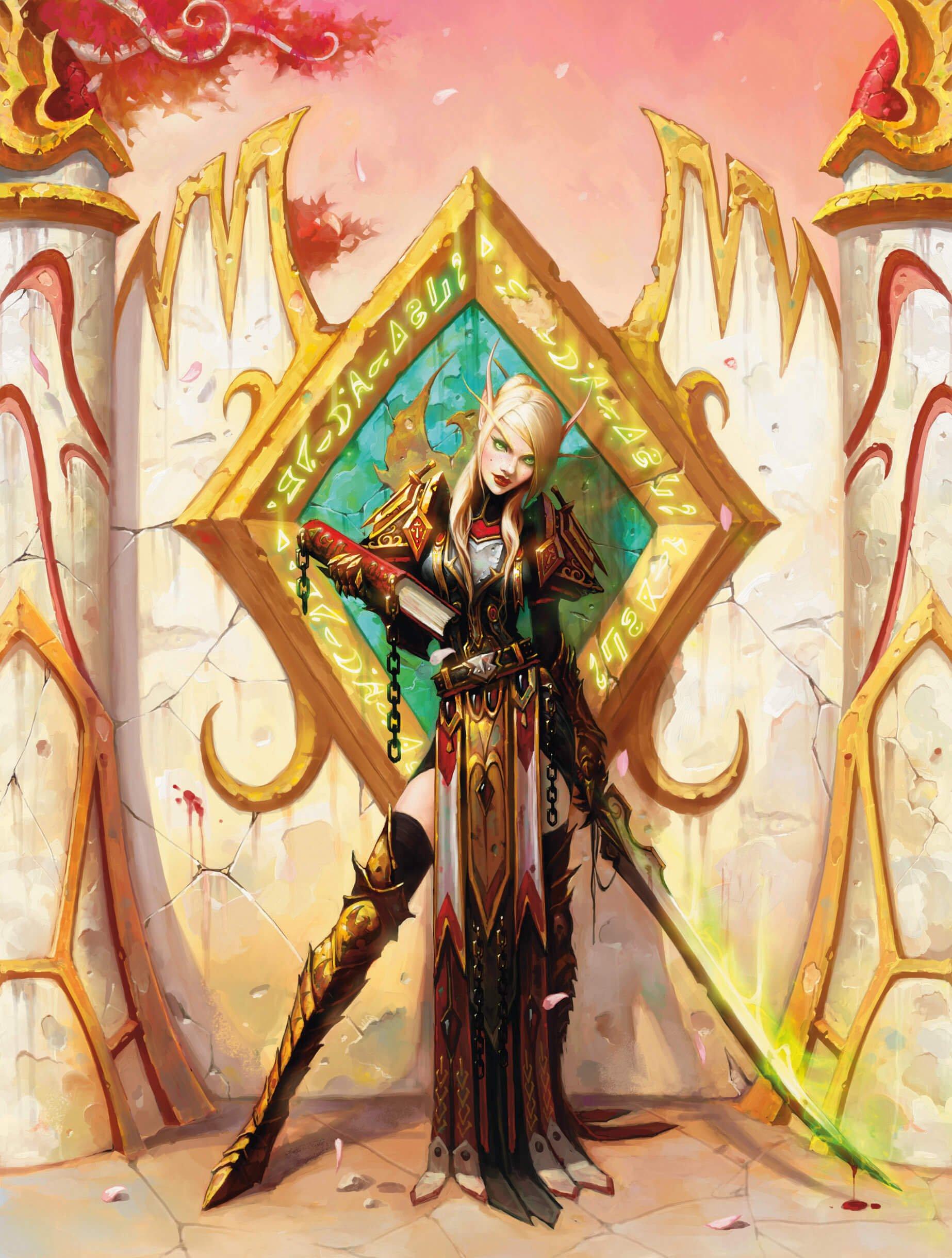
Azeroth, like anywhere else, needs heroes—champions who are dedicated to easing the suffering of the innocent and living their lives in service to others. Holy Paladins are steadfast in their determination to bring evildoers to justice, aid their allies in the never-ending struggle against the darkness, and restore those who have been harmed by the cruelties of the world. With the power of Light shining through them, Holy Paladins nurture life and treat others with goodwill.
Once they take their oath, a Holy Paladin will use Oath of the Holy Spells to heal many allies at once, protect their friends from death, and cleanse an ally of a debilitating effect or harmful spell. Additionally, the Beacon of Light feature uses Channel Divinity to wrap an ally with holy energy that restores half as many Hit Points to that ally whenever the Paladin heals anybody else.
As the Paladin slays evildoers and rescues the innocent, they will develop a Lightbringer's Aura to boost their healing abilities even further. Whenever the Holy Paladin heals creatures within its Aura of Protection, the Lightbringer’s Aura will grant them additional Hit Points. Later, with Infusion of Light, the Paladin can restore its own pool of Lay on Hands points by dealing Radiant damage to enemies—in essence, siphoning the power of life from the agents of Evil and delivering it into the hands of the Good (or at least, the Good enough).
At the apotheosis of their divine power, the Oath of the Holy Paladin can use their Holy Deliverance feature to boost their Aura of Protection. The aura now emanates sunlight (vampires beware), and Bloodied allies that start their turn in the aura regain Hit Points.
Discipline Domain (Priest)
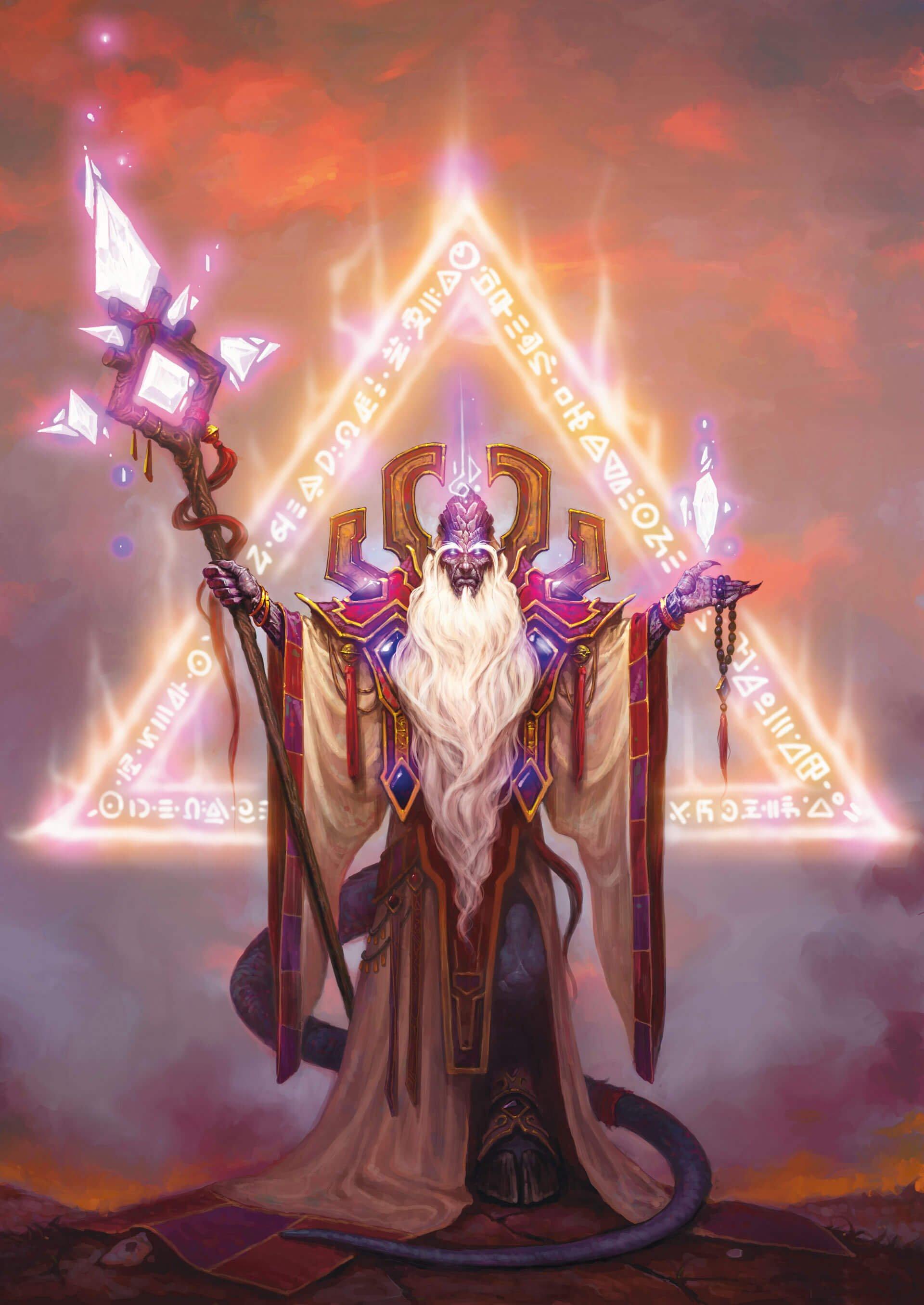
Discipline Domain Priests do not limit themselves to the shadow or the light, instead recognizing that sometimes one must call upon the powers of either to fight the creatures of darkness. Most Discipline Priests believe that the ends justify the means, and that champions of Azeroth cannot afford to limit themselves in the struggles against the Burning Legion, the Lich King, or the creatures of the Void. To a Priest of the Discipline Domain, ignoring either source of power would be like tying a hand behind their back.
The Discipline Domain is a Cleric subclass. Right from the start, Discipline Priests gain access to Discipline Domain spells that will help them shield allies and devastate enemies. Further reinforcing the Discipline Priest’s dedication to balance, their Channel Divinity option Holy Bolt can damage an enemy and heal an ally at the same time. They’ll also use Atonement to grant a temporary blessing to any creature they heal with a spell; then, when they deal damage to a creature, those blessed allies will regain Hit Points! This allows the Discipline Priest to bring multiple party members back from 0 Hit Points without having to cast a spell like Mass Healing Word—instead, they can impose balance upon the universe by damaging enemies and healing allies at the same time.
As these Priests further hone their practice, they’ll bestow creatures blessed by Atonement with a Luminous Barrier. This magical ward grants Temporary Hit Points and bestows Resistance to all damage while the creature has those Temporary Hit Points.
At the pinnacle of their power, a Discipline Priest can send their Holy Bolt to several enemies at once (healing an equal number of allies in the process, of course), and they can teleport immediately before firing the bolts.
Shadow Domain (Priest)
Shadow Domain Priests turn the powers of the Void against Azeroth’s greatest threats, using dark magic to obliterate demons, undead, and aberrations alike. Priests who embrace these powers can destroy the minds of their opponents, and in the process many become deeply corrupted. Shadow Priests lean into the danger and the madness, draining the life force from all kinds of nasty creatures and slinging it at the next monster to cross their path.
The Shadow Domain is also a Cleric subclass. Once a Priest has embraced the darkness, they gain access to Shadow Domain Spells (including several new entries) that prepare them to twist minds, drain life, and call upon forces dangerously close to the Old Gods. A Shadow Priest initiate can also use their Channel Divinity to take on a Shadowform, which allows them to Hide more easily and empowers their spells that deal Psychic or Necrotic damage. And with Devouring Plague, they can siphon health from creatures who fail a saving throw.
As they themselves fall deeper and deeper into shadow, the Shadow Priest will be able to take a Reaction that disperses themselves into shadowy energy as a defense mechanism. This Dispersion lasts 1 round, and when it ends, the Shadow Priest can expend Hit Point Dice to regain a massive amount of Hit Points. They can also Fly up to 40 feet, so when they reform into a corporeal champion of Azeroth, they can be out of melee range of the creature that attacked them.
At the height of the Shadow Priest’s power, their Shadowform will also restore Hit Points to nearby creatures when they deal Necrotic or Psychic damage to enemies.
Swashbuckler (Rogue)
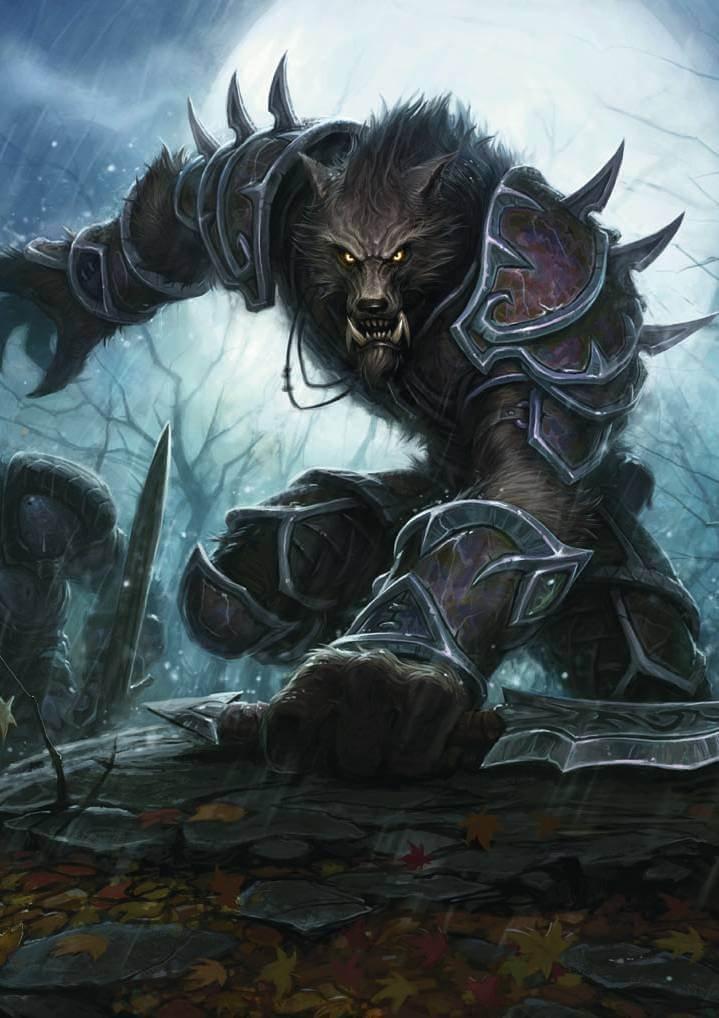
The Swashbuckler Rogue sashays into battle with grace, agility, and panache. To the Swashbuckler, combat is just as much a performance as it is a brush with death. Flit around the battlefield with pomp and vigor as you goad and Charm the many monstrous and demonic threats to Azeroth.
Early on in their journey, the Swashbuckler will use Fancy Footwork to evade Opportunity Attacks from creatures they’ve already attacked that turn. When they enter battle, their Rakish Audacity will add a boost to their Initiative, and they can use Sneak Attack when darting into the backlines to solo an enemy mage or archer.
As the Swashbuckler duels their way into becoming a master of their craft, their Panache will add new options to their Cunning Strike repertoire, allowing them to goad opponents into attacking them (before Dashing away with Cunning Action!) or Charm creatures for a short time. Leveling up further, the Swashbuckler will add more options with Dashing Strikes, which can invigorate allies or parry enemy strikes.
Swashbucklers at the top of their game will use the Master Duelist feature to make an additional attack against a target they just hit with a Sneak Attack.
Path of the Spiritual Guardian (Shaman)
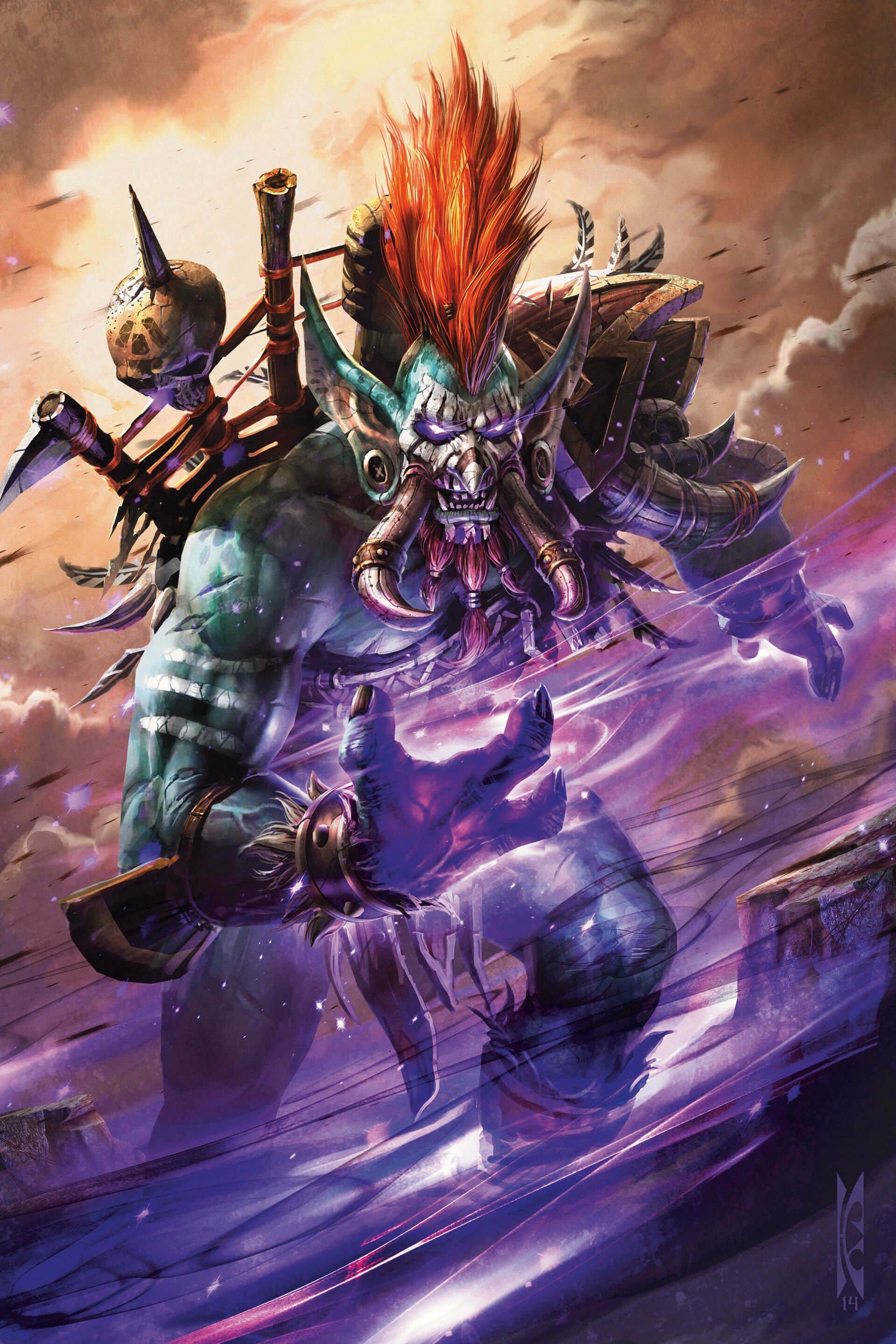
The Shaman is represented through two reimagined subclass options. The Path of the Spiritual Guardian Shaman calls upon the power of spirits to enhance their attacks and protect their allies. Channeling energies that would break lesser champions, the Spiritual Guardian Shaman may invoke ancestors, spirits of nature, or other primal forces to empower the party.
Once they begin their training, the Path of the Spiritual Guardian Shaman will summon Spiritual Protectors to Distract, Hinder, or Strike the opponent on a hit. As the Shaman continues their adventures in Azeroth, their Spirit Shield will protect nearby allies from harm.
At higher levels, the Spiritual Guardian Shaman can use Consult the Spirits to cast certain Divination spells without needing Material components. They may ask the spirits for advice about the party’s latest scheme or rely on them to spy on a nearby location.
With their final ability, Spirits’ Fury, this Shaman can make an additional attack when they land a powerful blow, becoming a relentless force of destruction on the battlefield.
Path of the Elements (Shaman)
Shamans commune with the oft-chaotic cosmic forces of the world. And while some, like the Path of the Spiritual Guardian Shamans mentioned above, focus more on channeling these forces to protect allies and enhance themselves, the Path of the Elements Shaman specializes in destructive surges of magical energy. These Shamans channel the rawest and most chaotic primal forces found in nature and hurl them at whatever monster is unlucky enough to cross their path.
A Shaman who has just begun to walk the Path of the Elements will call upon the forces of nature with Raging Elements. While a rage is active, they can use a Bonus action to summon powers of ice, lava, or lightning. These powers build on each other, with Icefury empowering the next instance of Fire damage, Lava Burst empowering the next instance of Lightning damage, and so on. This encourages the Shaman to create balance amongst the chaos by moving from one damage type to another.
At higher levels, a Path of the Elements Shaman will use Echo of the Elements to cast certain utility elemental spells by expending a use of Rage. Then, the Primordial Bond feature will cause the elemental magic surging from the Shaman’s rage to bestow a protective effect.
In time, the Elemental Overload feature completes their evolution: their Raging Elements options now reduce enemy damage, deal lasting damage, or damage nearby enemies.
Azeroth is Waiting for its Next Hero
It’s time to join the fight against evil. Strap on your armor, grab your sword or staff, and get to work—Azeroth needs you.
Whether you plan to take the Oath of the Ebon Blade or channel the power of the elements, the Burning Legion should fear your next move. Preorder D&D: World of Warcraft® today to begin your journey!

Damen Cook (@damen_joseph) is a lifelong fantasy reader, writer, and gamer. If he woke up tomorrow in Faerûn, he would bolt through the nearest fey crossing and drink from every stream and eat fruit from every tree in the Feywild until he found that sweet, sweet wild magic.
-
View User Profile
-
Send Message
Posted Oct 14, 2026Is Path of the Elements Barbarian a heavily reworked Path of the Storm Herald? Seems to have heavy mechanical overlap but not so much narratively (Tundra Storms -> Ice Shaman, Sea Storms -> Lightning Shaman, Desert Storms -> Lava Shaman). The other Barbarian subclass section suggests that both are reworks of 5.0e primal paths.
Similarly, is Oath of the Ebon Blade a narrative replacement for both Oathbreaker Paladins and for Hexblade Patron Warlocks? It’s not mechanically close to the Oathbreaker, but that subclass was in the same unearthed arcana as the above Barbarian subclasses and with a version of the reimagined Monastic Tradition (Way of the Drunken Master -> Warrior of Intoxication -> Warrior of Mystic Brews).
Still, I’m looking forward to these new subclasses even if I don’t play directly in an Azeroth game!
-
View User Profile
-
Send Message
Posted Oct 14, 2026Most of these look solid. I'll definitely be grabbing the book.
-
View User Profile
-
Send Message
Posted Oct 14, 2026Swashbuckler looks like it still fun. Really want to play one as soon as I can
-
View User Profile
-
Send Message
Posted Oct 14, 2026I still feel the Mystic Brew monk cone breath attack should be an acid attack (instead of fire) with a chance to temporarily blind the target(s)
-
View User Profile
-
Send Message
Posted Oct 14, 2026Seems to match very close to the Unearthed arcana version.
-
View User Profile
-
Send Message
Posted Oct 14, 2026They have confirmed that Path of the Elements is the old Path of the Storm Herald, just completely redone. They have not confirmed the same for Oath of the Ebon Blade.
-
View User Profile
-
Send Message
Posted Oct 14, 2026Great, more ideas for the players to mess with the DM and for the DM to secretly mess with the players too.
-
View User Profile
-
Send Message
Posted Oct 14, 2026Ugh. A little annoying I'll have to get a book based on a world and game I don't care for if I wanted to get 5.5 versions of some of my favourite base 5E subclasses. Hope to at least see stuff like Swashbuckler and Spiritual Guardian reprinted in the future - I'd hate to see this game turn into M:tG where I have to buy crossover products just because of a card/subclass.
-
View User Profile
-
Send Message
Posted Oct 14, 2026Where did they say that?
-
View User Profile
-
Send Message
Posted Oct 14, 2026In an interview at GenCon: https://www.youtube.com/watch?v=oAEgcOWJirU at 6:45.