




D&D: World of Warcraft® brings the storied MMO world from desktop to tabletop, where your choices shape every battle, every alliance, and every legend.
With new rules for playing all 13 World of Warcraft® classes, featuring 9 new and reimagined subclasses and 40 specializations, you can recreate your main character, roll a new alt, or play a hero the world has never seen.
Explore the World of Warcraft Classes
Specializations
Just like in D&D, classes in World of Warcraft help you specialize in different roles.
In much the same way that a Barbarian from the Player’s Handbook might focus more on tanking damage or dealing damage, a World of Warcraft Evoker might specialize in Devastation to destroy enemies or Preservation to rejuvenate allies.
In D&D: World of Warcraft®, some World of Warcraft class specializations may come as a list of recommended subclasses, feats, spells, and other selections, or as a unique subclass with the specialization options built-in. Many classes also feature unique spells (or, in the case of the Warrior, Battle Master maneuvers) that lean into your character’s specialization.
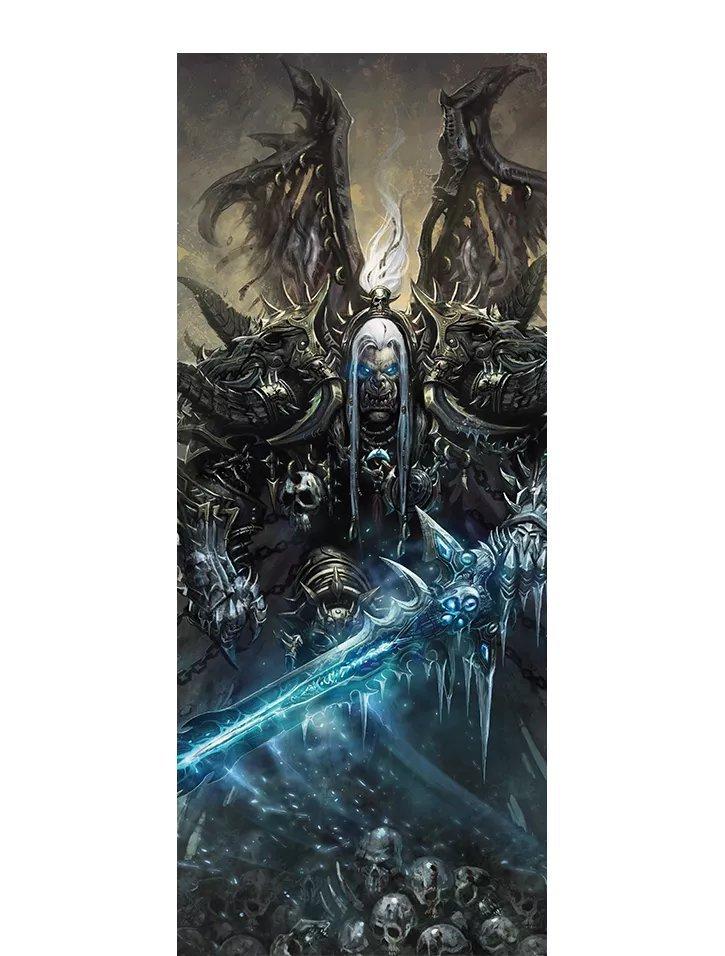
Death Knight
| Specialization | Description |
|---|---|
| Blood | Manipulate and corrupt life energy to sustain yourself in the face of an enemy onslaught. |
| Frost | Channel runic power and deliver vicious weapon strikes as an icy harbinger of doom. |
| Unholy | Become a master of death and decay, spreading infection and controlling undead minions. |
The appearance of a Death Knight can change the course of a battle. Now, no longer bound to the Lich King, the Knights of the Ebon Blade wield dark magic for a more noble purpose: the defense and guardianship of Azeroth.
Hero Class. Death Knight is a hero class, which means you typically must start play at level 3 or higher—in the story of World of Warcraft, characters with hero classes are already experienced and powerful adventurers by the time they enter the game. (With your DM’s permission, you can start as a level 1 character, but your subclass choice is fixed when you make the character.)
Paladin: Oath of the Ebon Blade. To play a Death Knight, you’ll choose the Paladin class from the Player’s Handbook and the new Oath of the Ebon Blade subclass, which alters some of your core Paladin class features beginning at level 1 and accommodates whichever specialization you choose by way of its features.
Runeforging. Death Knights inscribe runes on their weapons to correspond to their specialization: Blood, Frost, or Unholy. Blood runes reduce damage taken by allies and restore Hit Points and Temporary Hit Points, Frost runes wrap your weapons in ice and allow you to exhale a powerful cold breath, and Unholy runes curse enemies, deal additional Necrotic damage, and summon spirits.
Once you’ve chosen your specialization, you’ll also gain access to unique Oath of the Ebon Blade spells.
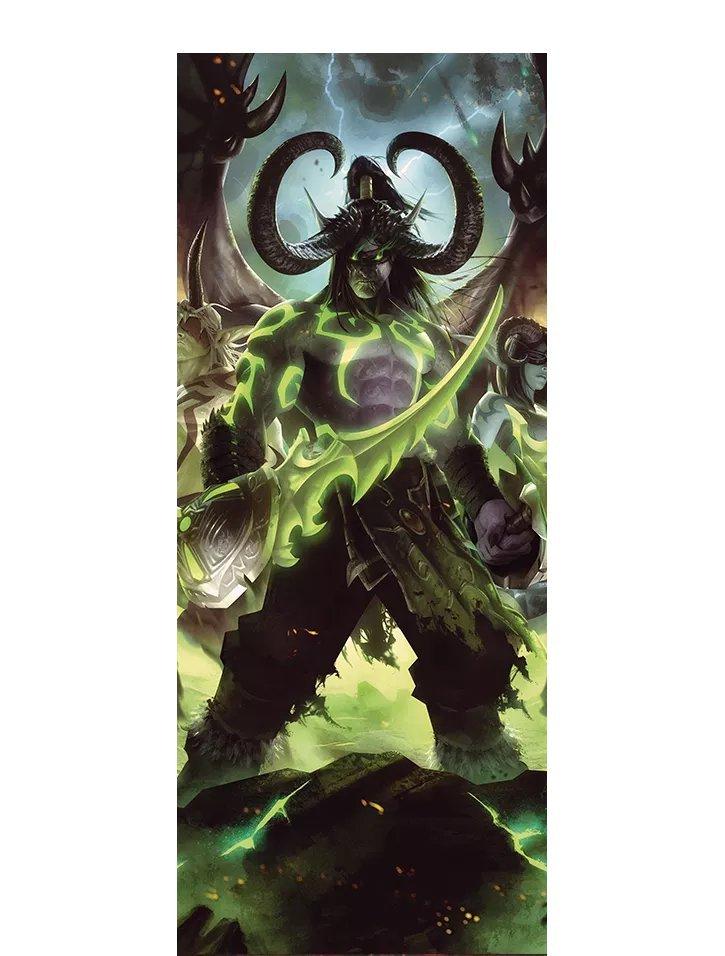
Demon Hunter
| Specialization | Description |
|---|---|
| Devourer | Harness the power of the Void to crush your enemies and feast on their souls. |
| Havoc | Master the destructive power of fel magic as a fierce melee combatant. |
| Vengeance | Embrace the demon within to incinerate your enemies and protect your allies. |
Demon Hunters collect souls from their enemies to fuel their own powers as they slice through the battlefield. They are masters at blending deadly martial prowess with haunting magical power.
Hero Class. The Demon Hunter is also a hero class, typically available only to characters starting at level 3 or higher.
Ranger: Demon Hunter. To play a Demon Hunter, choose the Ranger class from the Player’s Handbook and the Demon Hunter subclass, which alters some of your core Ranger class features—granting you Blindsight and allowing you to collect soul fragments from departed foes and use them to cast certain spells or siphon health from nearby foes.
Specializations. When you select your specialization—Devourer, Havoc, or Vengeance—you’ll be directed to several unique Demon Hunter spells. Devourers manipulate the energy of the Void and consume souls to restore their power; Havoc specialists emphasize destruction and fel magic; and Vengeance Demon Hunters embrace the demon within to incinerate their enemies and protect their allies.
Species. All Demon Hunters in World of Warcraft lore are elves (blood elves, night elves, or void elves), so check with your DM before playing a Demon Hunter of another species.
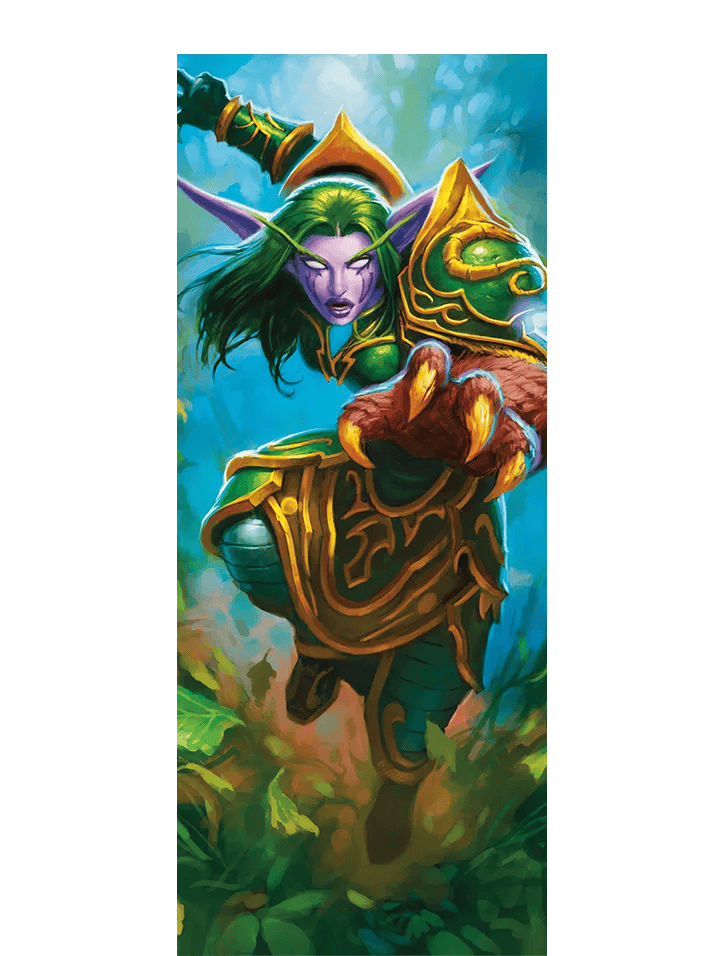
Druid
| Specialization | Description |
|---|---|
| Balance | Leverage the sacred powers of the moons, the sun, and the stars to keep the elemental forces of the cosmos in equilibrium. |
| Feral | Pursue a visceral connection to the wild—nature’s eternal dance between predator and prey. |
| Guardian | Commune with the wild to better understand how life perseveres through adversity. |
| Restoration | Where there is decay, bring rejuvenation. Where there is devastation, bring regrowth. |
Druids call upon the power of land, sea, and sky to tear their enemies apart and put their friends back together. Skilled shapeshifters, elementalists, guardians, and healers, Druids are versatile and adaptable spellcasters.
Balance. The Balance Druid selects the Circle of the Stars subclass and uses the versatility of its Starry Form to take on the appearance of moonkin and adapt their magical aptitude to their circumstances.
Feral. The Feral Druid represents nature red in tooth and claw, using the Circle of the Moon subclass and a unique Cat Form to rip nearby foes apart.
Guardian. Guardian Druids also use the Circle of the Moon to take on a unique Bear Form that stands between their fellow adventurers and danger, converting magical energy into Temporary Hit Points and imposing Disadvantage on enemy attack rolls.
Restoration. The Restoration Druid will pick the Circle of the Land subclass to reflect their relationship with nature’s cycle and use new spells to continuously heal allies.
Beast Forms. Every Druid in World of Warcraft learns new beast forms: Cat Form, Bear Form, and Travel Form (which includes an Aquatic Form and a Flight Form). These forms take on unique stat blocks for Druids with access to Circle Forms. For Druids without the Circle Forms feature, certain Beast stat blocks are made available.
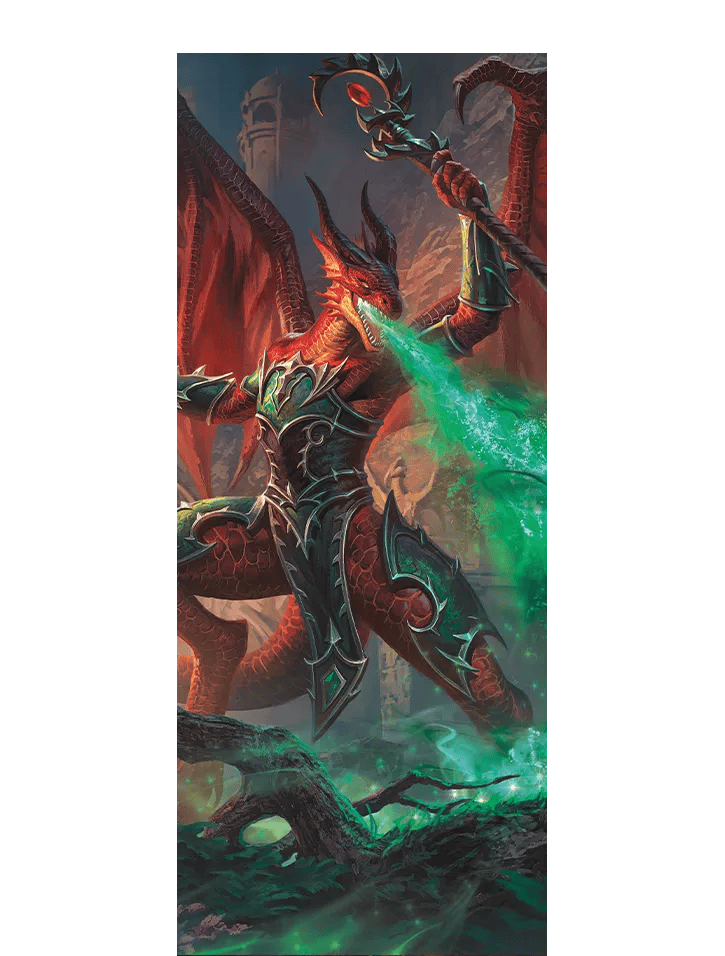
Evoker
| Specialization | Description |
|---|---|
| Augmentation | Imbue your companions with the might of the black dragonflight, amplifying nearby allies’ abilities. |
| Devastation | Bathe the battlefield in destruction with the chaotic flames of the red dragonflight and the precise arcane power of the blue dragons. |
| Preservation | Wield the power of the Emerald Dream to rejuvenate injured allies. |
Evokers can turn a battlefield upside-down, blasting entire enemy battalions into dust and bringing allied armies back from the brink. They are elementalists of great renown, often flying far out of reach of danger while raining down destruction from above.
Hero Class. The Evoker is the last of the three World of Warcraft hero classes, so you’ll typically begin play at level 3 or higher.
Sorcerer: Draconic Sorcery. Playing an Evoker doesn’t alter the base Sorcerer class, but it slightly alters the Draconic Sorcery subclass from the Player’s Handbook. As you specialize in Augmentation, Devastation, or Preservation, you’ll be pointed towards new Evoker spells.
Specializations. Evokers of Augmentation will focus on empowering themselves and allies with new spells that heighten your defenses and allow nearby allies to deal additional damage. Those with a penchant for Devastation will gain spells that deal massive area-of-effect damage as well as spells that debilitate and burn enemies. Preservation Evokers can protect, heal, and pull allies out of danger.
Species. All Evokers in World of Warcraft are dracthyr, so check with your DM before playing an Evoker of another species.
Hunter
| Specialization | Description |
|---|---|
| Beast Mastery | Form profound bonds with the beasts of the wild, making ferocious predators your kin. |
| Marksmanship | Blend into the natural environment while wielding ranged weapons with deadly skill. |
| Survival | Embrace the most brutal aspects of nature and the desperate struggle for survival by tooth and claw. |
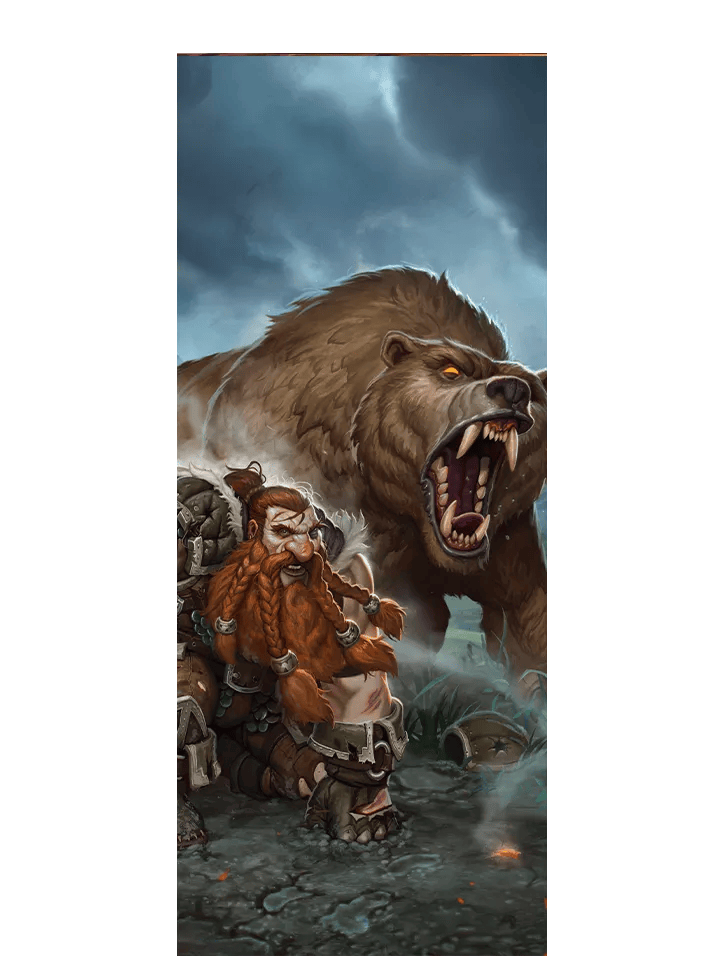
Hunters are at home in the wilderness and have a special connection with beasts. Masters of their environment, they can slip like ghosts through the trees and lay traps in their enemies’ paths, and many fight alongside pets that attack while the Hunters nock their arrows, fire their guns, or ready their polearms.
Choosing a Subclass. When playing a Hunter, you’ll first select the Ranger class. The Marksmanship Hunter selects the Hunter subclass and focuses on stealth and archery, bringing down much larger foes from faraway shadows. Beast Mastery and Survival specialists select the Beast Master subclass, but the Survival specialist sticks with the Roving feature at level 6 while the Beast Mastery specialist gains a new Pet Specialization feature instead.
Additional Hunter Spells join the Ranger spell list for World of Warcraft Hunters, including two new trap spells!
Mage
| Specialization | Description |
|---|---|
| Arcane | Manipulate raw arcane magic, destroying enemies with overwhelming power. |
| Fire | Focus the essence of fire magic, assaulting enemies with combustive flames. |
| Frost | Freeze enemies in their tracks and shatter them with frost magic. |
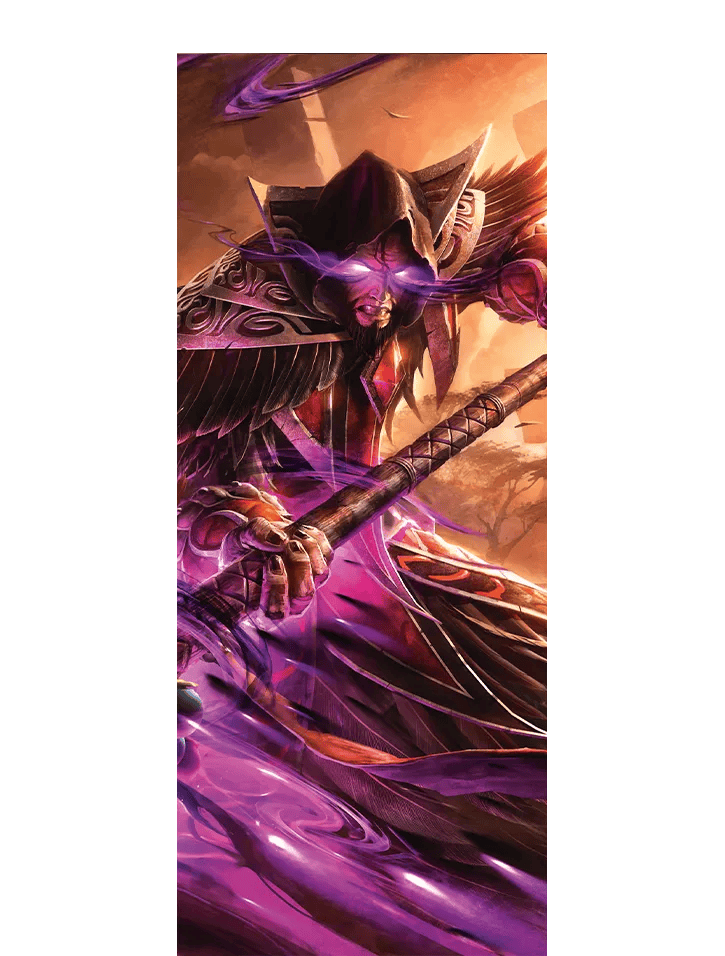
The World of Warcraft Mage is a fiercely dedicated student of the arcane. Found throughout Azeroth, Mages are widely regarded as uniquely dangerous and hungry for power.
Mages from World of Warcraft use the Wizard class and the Evoker subclass from the Player’s Handbook. From there, you’ll specialize in Arcane, Fire, or Frost magic. Your choice of specialization will guide your selection of feats and spells, including some new entries.
Arcane. An Arcane Mage’s spellcraft utilizes “raw” magic, manipulating kinetic energy to blast foes into pieces. The new Clearcasting feat enhances their Force damage and allows a casting of a cantrip as a Reaction when they score a Critical Hit, and they gain access to spells that involve the building blocks of reality such as Create Food and Water and Mass Polymorph.
Fire and Frost. Fire and Frost Mages respectively gain access to pyromancy spells that were not previously accessible to Wizards, such as Flame Strike, and new cold magic spells that inflict the Restrained condition on enemies. The Fire Mage’s new Hot Streak feat allows them to burn targets with spells that deal Fire damage, while the Frost Mage’s Fingers of Frost allows them to deal extra damage to Restrained targets.
Monk

| Specialization | Description |
|---|---|
| Brewmaster | Use powerful concoctions and unpredictable, staggering movements to keep enemies off guard. |
| Mistweaver | Weave the mists to wield the power of life’s essence and heal wounds. |
| Windwalker | Fight with mastery and grace as the quintessential martial artist. |
World of Warcraft Monks are elite unarmed fighters and wielders of potent spiritual energy. Some brew concoctions that bestow special benefits, others focus on mastering martial combat, while others still use their command over spiritual power to bring the wounded back from the brink.
Brewmaster. A Brewmaster selects the updated Warrior of Mystic Brews subclass and produces Mystic Brews that bestow beneficial properties for 1 hour—or 8, if the Monk expends 1 Focus Point. The Brewmaster learns new recipes as they level up, and eventually gains the ability to mix multiple effects together into one drink. In combat, the Brewmaster is elusive, and their new unique feats make them even harder to take down.
Mistweaver. Mistweavers use the power of magical mists to heal with the Warrior of Mercy subclass, and their new feat helps them reduce incoming damage to allies or grant them Temporary Hit Points.
Windwalker. Windwalkers will take the Warrior of the Open Hand subclass and use a new Fists of Fury feat to increase their damage output each turn as they successfully land hit after hit.
Paladin
| Specialization | Description |
|---|---|
| Holy | Stand as a beacon of the Light for your allies. |
| Protection | Wield a weapon of righteous judgment in one hand and a shield of holy protection in the other. |
| Retribution | Judge and punish the wicked as a vengeful guardian of the weak. |
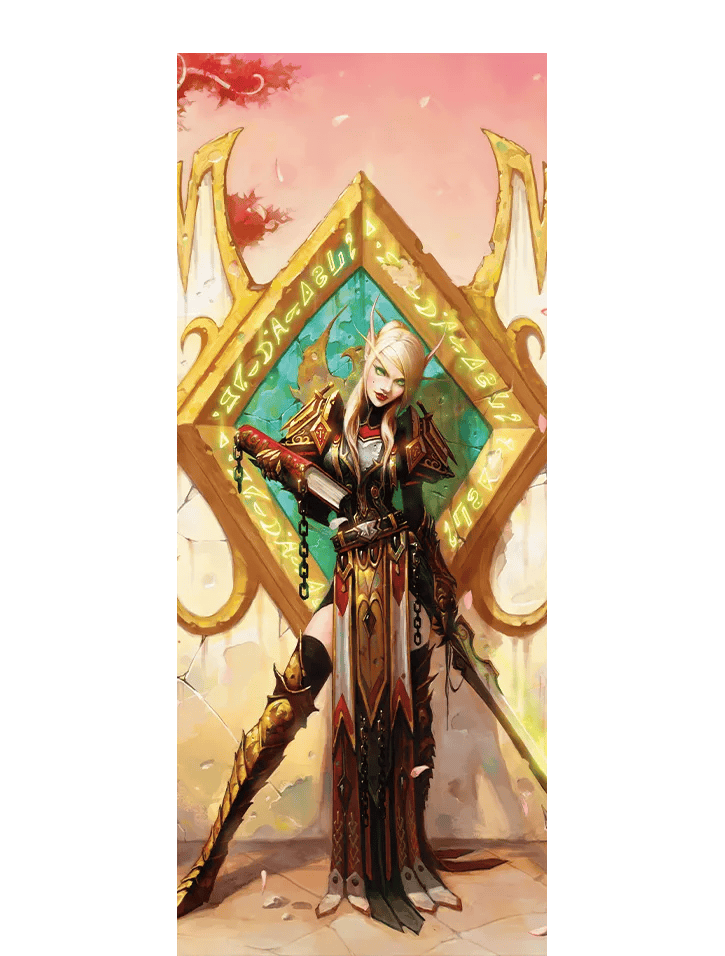
The Paladin channels the power of the Light to protect the innocent and smite the evil. Members of all species and cultures join the ranks of Paladins, united by a shared sense of virtue and a distinct distaste for injustice.
Holy. The Holy Paladin is a healing juggernaut, using the new Oath of the Holy subclass to wrap allies in restorative magic, heal Bloodied creatures for additional Hit Points within their Aura of Protection, and restore their Lay on Hands by dealing Radiant damage.
Protection. A Protection Paladin takes an Oath of Devotion and uses brand new spells to protect themselves and others.
Retribution. Retribution Paladins, vengeful guardians of the weak and crusaders who judge and punish the wicked, take an Oath of Vengeance and gain access to new spells.
Priest
| Specialization | Description |
|---|---|
| Discipline | Balance the opposing powers of light and shadow in service of a greater cause. |
| Holy | Leave your house of worship to serve on the battlefield. |
| Shadow | The brightest light casts the darkest shadow—and from within this blackness, a rival power dwells. |
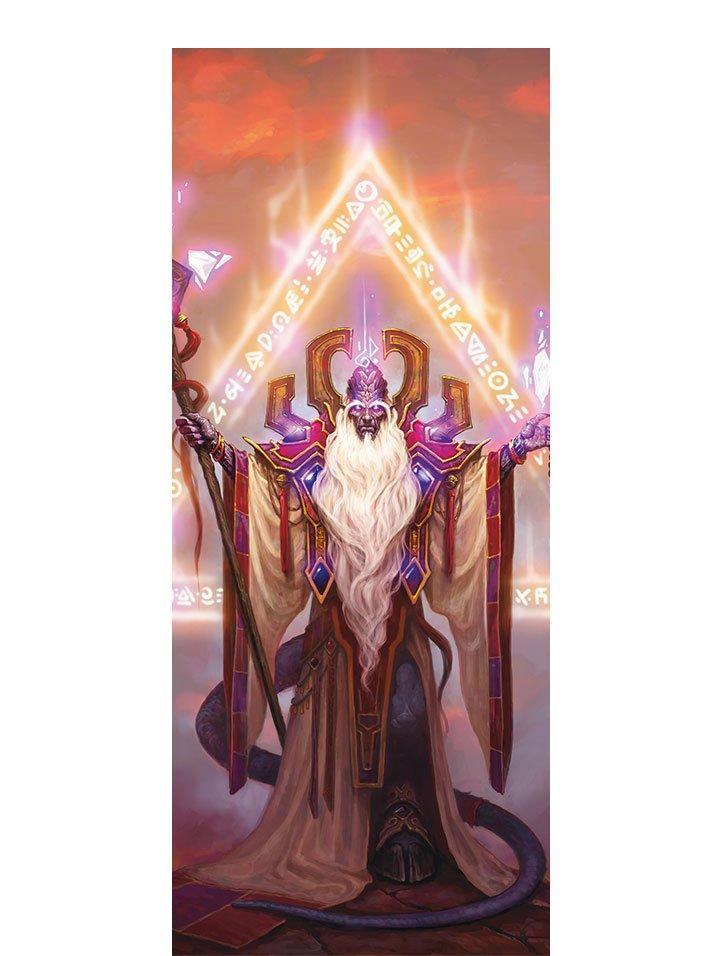
Priests draw their power from the Light or the Void, tapping into the powerful forces of creation to restore and protect their allies or channeling the chthonic forces of shadow to bring their enemies to their knees.
A Priest’s specialization reflects their relationship with the light and dark energies of the cosmos, and while many devote themselves exclusively to one side or the other for moral or other reasons, some believe they can safely balance these competing forces.
Cleric Class. To play a Priest, you’ll choose the Cleric class from the Player’s Handbook.
Discipline. The Discipline Priest will select the new Discipline Domain subclass, with features that bestow benefits when the Priest deals damage or restores Hit Points.
Holy. A Holy Priest will select the Life Domain subclass and gain access to new spells that damage enemies and heal allies at the same time.
Shadow. A Shadow Priest will select the new Shadow Domain subclass, which allows them to expend a use of Channel Divinity to take on a shadowy form.
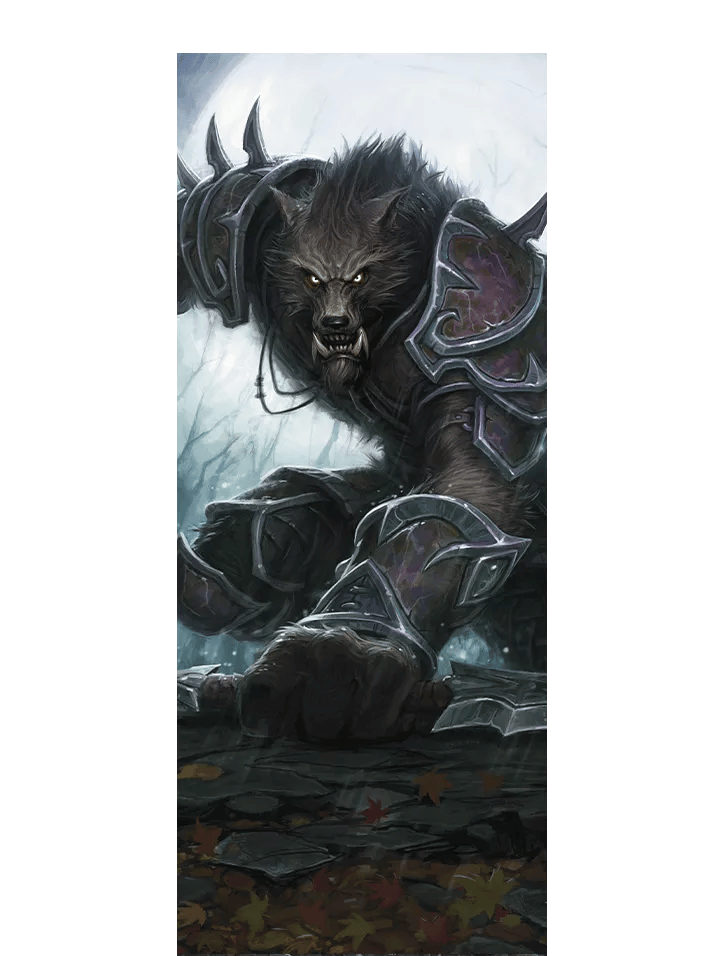
Rogue
| Specialization | Description |
|---|---|
| Assassination | Use poison extensively, often wielding a pair of daggers coated with deadly toxins. |
| Outlaw | Use agility and guile to dominate in combat while standing toe-to-toe with your enemies. |
| Subtlety | Draw on the supernatural magic of the shadows to cloak yourself in darkness and form deadly blades. |
Rogues in World of Warcraft are pretty similar to a classic Rogue in Dungeons & Dragons: skulking in the shadows, striking with deadly precision, then moving on to the next job. Nobody wants to see them on the enemy team—but then, you likely never will.
Specializations. A Rogue will specialize in Assassination, Outlaw, or Subtlety.
Assassination. The Assassin Rogue will focus on poisons, hard and fast damage, high mobility, and will choose the Assassin subclass.
Outlaw. Outlaw Rogues will select the updated Swashbuckler subclass. Swashbucklers dance and flit across the battlefield, goading and awing (and infuriating) their opponents with equal ease.
Subtlety. The Subtlety Rogue will prioritize the stealth ambush and will select the Soulknife subclass.
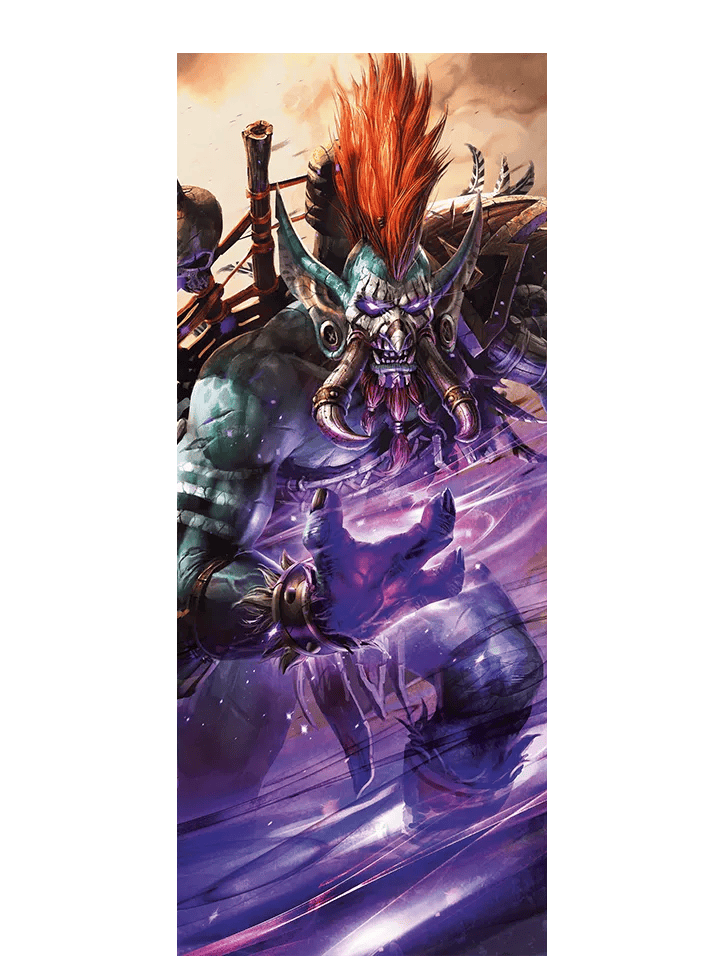
Shaman
| Specialization | Description |
|---|---|
| Elemental | Forge deep bonds with the elements and channel their volatile energy. |
| Enhancement | Empower your physical attacks with elemental energy as you wade into the thick of combat. |
| Restoration | Find a serene affinity for water and wield its power to restore vitality to your allies. |
Shamans wield elemental magic with brutality and precision, bringing order to nature’s most chaotic forces. Shamans primarily channel their magic through totems planted into the ground that provide benefits to nearby allies.
Totems. World of Warcraft Shamans use the Barbarian class from the Player’s Handbook. Each Shaman gains a new Totems feature in place of the Barbarian’s Primal Knowledge feature; the Shaman can plant these totems in the ground as a Bonus Action to grant nearby allies temporary Immunity to certain conditions or to hinder enemies by sapping their Speed. These effects last a short time, but a Shaman can simply place another totem on their next turn.
Elemental. Elemental Shamans will select the new Path of the Elements subclass and use the raw powers of the universe to deal extra damage to a nearby enemy as a Bonus action, resist elemental damage, cast some elemental utility spells, and hinder an enemy’s lethality.
Enhancement. Enhancement Shamans use the updated Path of the Spiritual Guardian subclass to imbue their strikes with additional effects, take damage on behalf of nearby allies, and dabble in Divination magic.
Restoration. A Shaman who specializes in Restoration magic embraces the Path of the World Tree and its power to empower allies and pull them out of danger.
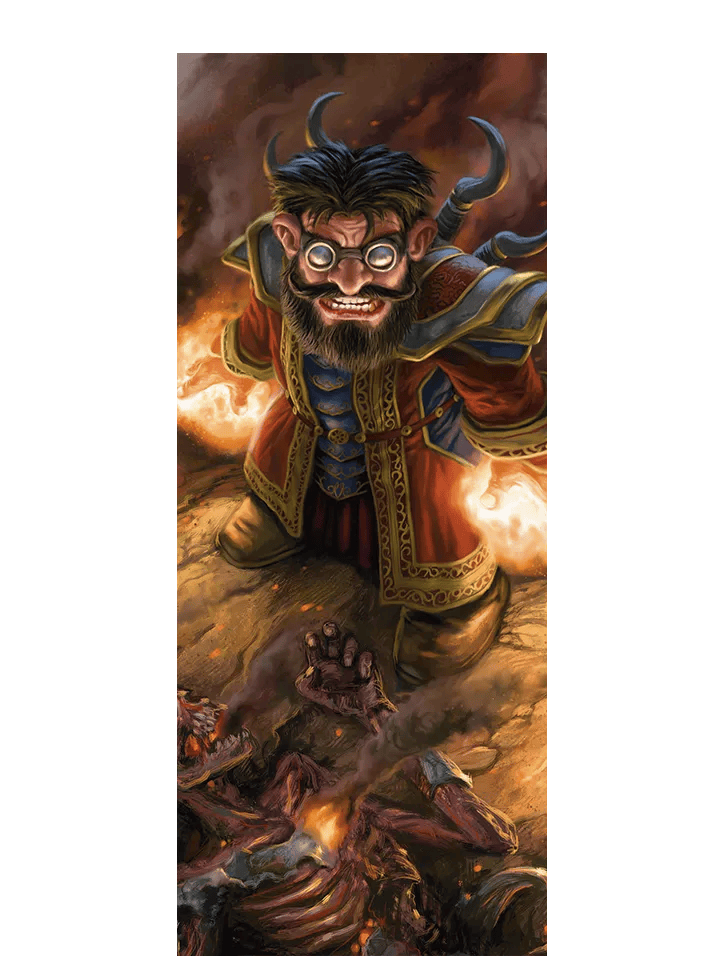
Warlock
| Specialization | Description |
|---|---|
| Affliction | Cause intense pain with spells that corrupt minds and agonize souls, leaving enemies in a state of ongoing torment. |
| Demonology | Harness the power of demons, pulling abominations from the chaos of the Twisting Nether. |
| Destruction | Wield shadow, fire, fel, and raw chaos magic with equal ease. |
A World of Warcraft Warlock may have made a pact, or multiple, with beings from the Burning Legion or from the Void. But their “pacts” often instead look more like summoned demons and aberrations that carry out their will.
Affliction. An Affliction Warlock takes power from the Void and wields it to control and hinder their opponents, using the Great Old One Patron subclass and new Eldritch Invocations to summon aberrations and deal extra damage with curses.
Demonology and Destruction. Demonology and Destruction Warlocks both use the Fiend Patron subclass, but demonologists prioritize summons while Destruction Warlocks wreak havoc on large groups of enemies. Demonologists will overwhelm their opponents with new Eldritch Invocations that keep summons alive longer while also granting Hit Points when those summons die, and Destruction Warlocks will use powerful spells to deal lasting area-of-effect damage.
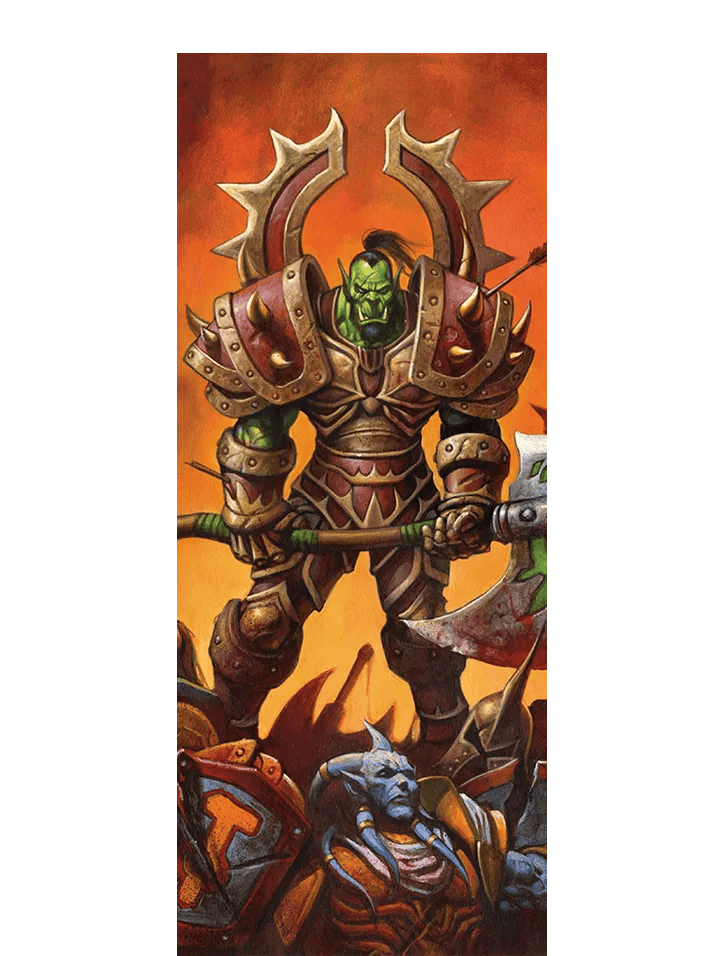
Warrior
| Specialization | Description |
|---|---|
| Arms | Deliver devastating blows with two-handed weapons. |
| Fury | Become a master of carnage, wielding a weapon in each hand to maximize destruction. |
| Protection | Counter incoming attacks, using your shield to protect your allies as well as yourself. |
Warriors: for when you need a really big axe—which is oftentimes the case in a world of monsters, magic, egos, and armor. A skilled Warrior knocks monsters to the floor, slays enemy tanks, and terrorizes opposing magic users.
Fighter Class. When playing a Warrior, you’ll choose the Fighter class. Warriors specialize in Arms, Fury, or Protection.
Arms. The Arms Warrior selects the Battle Master subclass and uses two-handed weapons such as the Greataxe, Greatsword, or Maul to control the battlefield.
Fury. The Fury Warrior selects the Champion subclass and dual-wields weapons (often Scimitars) to push a relentless offense. (Note: Fury Warriors may want to consider instead choosing the Barbarian class and Berserker subclass.)
Protection. The Protection Warrior uses the Battle Master subclass to consistently step between their comrades and danger.
New Maneuvers. Warriors who use the Battle Master subclass will find five new maneuver options waiting for them!
From Death Knight to Warrior: Azeroth Needs You!
With D&D: World of Warcraft®, you can recreate your main character, roll a new alt, or forge a hero all your own. Alongside all 13 classes, you’ll find 11 new species, over 60 new spells, and more than 30 new magic items to build your champion with.
Which champion will you become?

Damen Cook (@damen_joseph) is a lifelong fantasy reader, writer, and gamer. If he woke up tomorrow in Faerûn, he would bolt through the nearest fey crossing and drink from every stream and eat fruit from every tree in the Feywild until he found that sweet, sweet wild magic.
-
View User Profile
-
Send Message
Posted Oct 6, 2026Hype!
-
View User Profile
-
Send Message
Posted Oct 6, 2026new Eldritch Invocations lets go
-
View User Profile
-
Send Message
Posted Oct 6, 2026We’re going to see a lot of Kung Fu Pandas
-
View User Profile
-
Send Message
Posted Oct 6, 2026If I'm reading this right, it looks like the idea was to take WoW classes and adapt them case-by-case into D&D. So Priests map neatly onto Clerics with a subclass representing each specialization, and meanwhile the Mage are all Evoker Wizards with some new features to focus in on a specific element/damage type. And then some or all of these options get updates from what we have in the player's handbook.
I've never played World of Warcraft but this is really interesting with how you've converted everything over. Also makes me excited for the Age of Rebellion next year!
-
View User Profile
-
Send Message
Posted Oct 6, 2026So can you use the subclasses for normal dnd or do they still change the core class things?
-
View User Profile
-
Send Message
Posted Oct 6, 2026This looks insane.
I can't wait to read the whole book. I'm so excited!!!
-
View User Profile
-
Send Message
Posted Oct 6, 2026Please, give us more information about races. I beg you. 🥺
-
View User Profile
-
Send Message
Posted Oct 6, 2026Bear Form and Cat Form templates for Moon Druid??? I could cry.
-
View User Profile
-
Send Message
Posted Oct 6, 2026These look GREAT!!! Can’t wait to see the New Maneuvers for the Warrior. I hope they are good.
-
View User Profile
-
Send Message
Posted Oct 6, 2026Agreed that I am very excited for Age of Rebellion and the Star Wars crossover next year. I am liking almost everything I am seeing for the WoW product although the fact WoW Evokers (who are DND sorcerers) don't use the PHB Evoker subclass (for DnD wizards) while WoW Mages (who are DnD wizards) do use the PHB Evoker subclass is going to lead to some confusion I would guess.
-
View User Profile
-
Send Message
Posted Oct 6, 2026Barbarians dropping totems seems very interesting. Fighters got shafted with nothing but 5 new combat maneuvers.
-
View User Profile
-
Send Message
Posted Oct 7, 2026Though I'm hyped at the prospect of finally having new invocations, why did it had to be on a "Universes" book? If they're too hypers-specific to WoW, then they'll be unusable out of the setting is my fear
-
View User Profile
-
Send Message
Posted Oct 7, 2026Please don't ruin the Swashbuckler with stupid cunning strikes like you did in the UA6 playtest a few years ago
-
View User Profile
-
Send Message
Posted Oct 7, 2026I like most of the stuff here. Love D&D, love Wow. I do think its a choice to make the spellcasting shaman a class that doesn't have spellcasting.
Maybe if Elemental is like eldritch knight but with druid spells? Or.. Shaman could've been Druid but replacing Wildshape with Totems, and Enhancement could've been a gish subclass for druid. Having a spellcasting healer (resto shaman) reflected by a class and subclass incapable of healing or casting spells (but it does give temp hp) is a choice.
-
View User Profile
-
Send Message
Posted Oct 7, 2026If it wasn't for the setting, I doubt that we would be getting the new invocation. Adding new invocations is the simplest way to customize the DnD warlock to be more like the WoW warlock, so they went that rout instead of making new subclasses for them. Eldritch Invocations that make your curse more powerful or beef up your summons will be useable in most if not all settings. Setting information is just fluff and fluff can be easily rewritten, want to play a Scion of the Three rogue but aren't in Forgotten Realms then you just file the names off and rebrand the subclass; the same will work here.
From the sounds of it, feats and spells are doing the heavy lifting and unless your DM is against some of the ideas themselves then there should be no problem. I could see a DM say no to a barbarian who wanted totems but such a small tweak to one very minor class ability changes the feel for the entire class; you want a barbarian who has a more primal, tribal, shamanistic feel to how they rage then you choose to get totems, if you don't want that feeling then you go with Primal Awareness.
Out of everything the changes to the Dragon Sorcerer feel like they are the most setting specific and that is due to just how different dragons are in that setting, but once again change a little bit of the fluff and the mechanics should work fine anywhere.
-
View User Profile
-
Send Message
Posted Oct 7, 202613 new classes are going to be very interesting to play with. I also love how they intertwined some of the classes mith azeroth lore.
Can't wait to play this!
-
View User Profile
-
Send Message
Posted Oct 7, 2026Agreed! I'm having a very hard time picturing how the barbarian represents the shaman... :(
-
View User Profile
-
Send Message
Posted Oct 7, 2026How it turns out in the end is of course something we can only see once we have the book in our hands ourselves, but from what the people who got early acess to it said it sounds like the vast majority of stuff introduced can be easily used in regular DnD if you just scrape off the WoW flavor.
So I honestly wouldn't worry too much about that.
-
View User Profile
-
Send Message
Posted Oct 7, 2026Using female night elf for the druid illustration is definitely a choice! But a wrong one!
-
View User Profile
-
Send Message
Posted Oct 7, 2026I have to say that I am most excited to see the Oath of the Ebon Blade and Demon Hunter subclasses, and how exactly they transform the Base class.
And if it works well i would like to see more things like it, subclasses that change the way the base class plays.